

There are dozens of approaches to the apologetic for covenant baptism. But the one that settles the issue for me is not the circumcision/baptism connection, though I think that connection is biblical and important from Colossians 2:11–12, but the clear and direct examples of infant faith in the Bible offer a more compelling argument.
To put it directly: if it can be demonstrated that even the “least of these” can articulate faith, then the defense of infant baptism becomes robust and compelling. The premise is not simply: “Parents stand for the children,” but “each child stands for himself.”
The question is not whether infants can pass a theological exam. The question is whether God recognizes, receives, blesses, incorporates, and gives faith to covenant children before they possess mature intellectual self-awareness. And the testimony of Scripture is that He does.
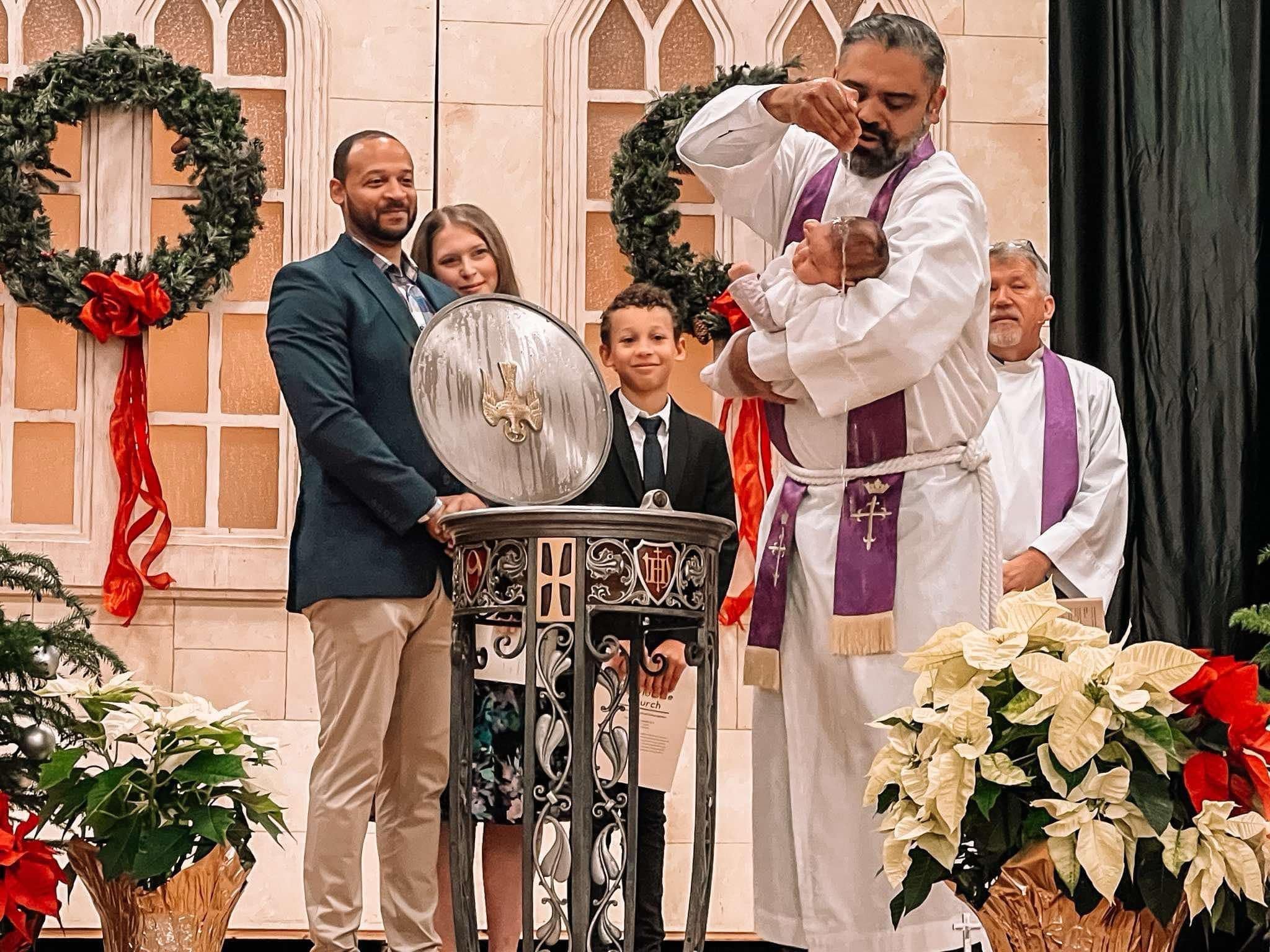
The premises that must be met are the following:
a) There must be examples of a covenant people that manifest faith in their infancy as a society.
Israel is called God’s son from infancy: “When Israel was a child, I loved him, and out of Egypt I called My son” (Hosea 11:1). The entire nation, including nursing infants and little ones, is brought through the waters of deliverance and constituted as a redeemed people. Paul later says that “all our fathers were under the cloud, all passed through the sea, all were baptized into Moses in the cloud and in the sea” (I Corinthians 10:1–2). This includes the children in the covenantal passage from death to life.
