

The Coming That Shapes Us
We live in an age fascinated by what is coming. Bookstore shelves and newsfeeds are crowded with ominous titles predicting collapse, contagion, or catastrophe. The Coming Economic Crisis. The Coming Civil War. The Coming Plague. These books sell because they touch a deep human nerve. The reality is that none of us wants to be unprepared. We don’t want to wake up one morning and discover that joy has turned into sorrow. We want warning. We want readiness. We want time.

That instinct to prepare ourselves for what lies ahead stands at the heart of Peter’s words in his second epistle. He writes to a people tempted toward panic on the one hand and apathy on the other. Instead of either response, Peter calls the Church to holy attentiveness. Since all these things are to be exposed, he asks, what sort of people ought you to be? But his answer is not speculative; it’s deeply practical. For Peter, we are to live lives marked by holiness and godliness.
In anticipation, we are shaped and in the waiting, we are sanctified in Christ Jesus.

This is why Peter sounds so Advental. Advent is not about waiting with folded hands. It is waiting under a holy summons. The coming of Jesus places a claim upon our lives, and Scripture names that claim holiness. Without holiness, Hebrews reminds us, no one will see the Lord. Meeting the living Christ is never a neutral experience. What we believe about the future reshapes how we live now.
Peter’s language in this chapter has challenged readers for centuries. The apocalyptic concepts of heavens shaken, elements exposed, and fire testing all things have led Christians to long ask when these things will happen and what exactly Peter means.
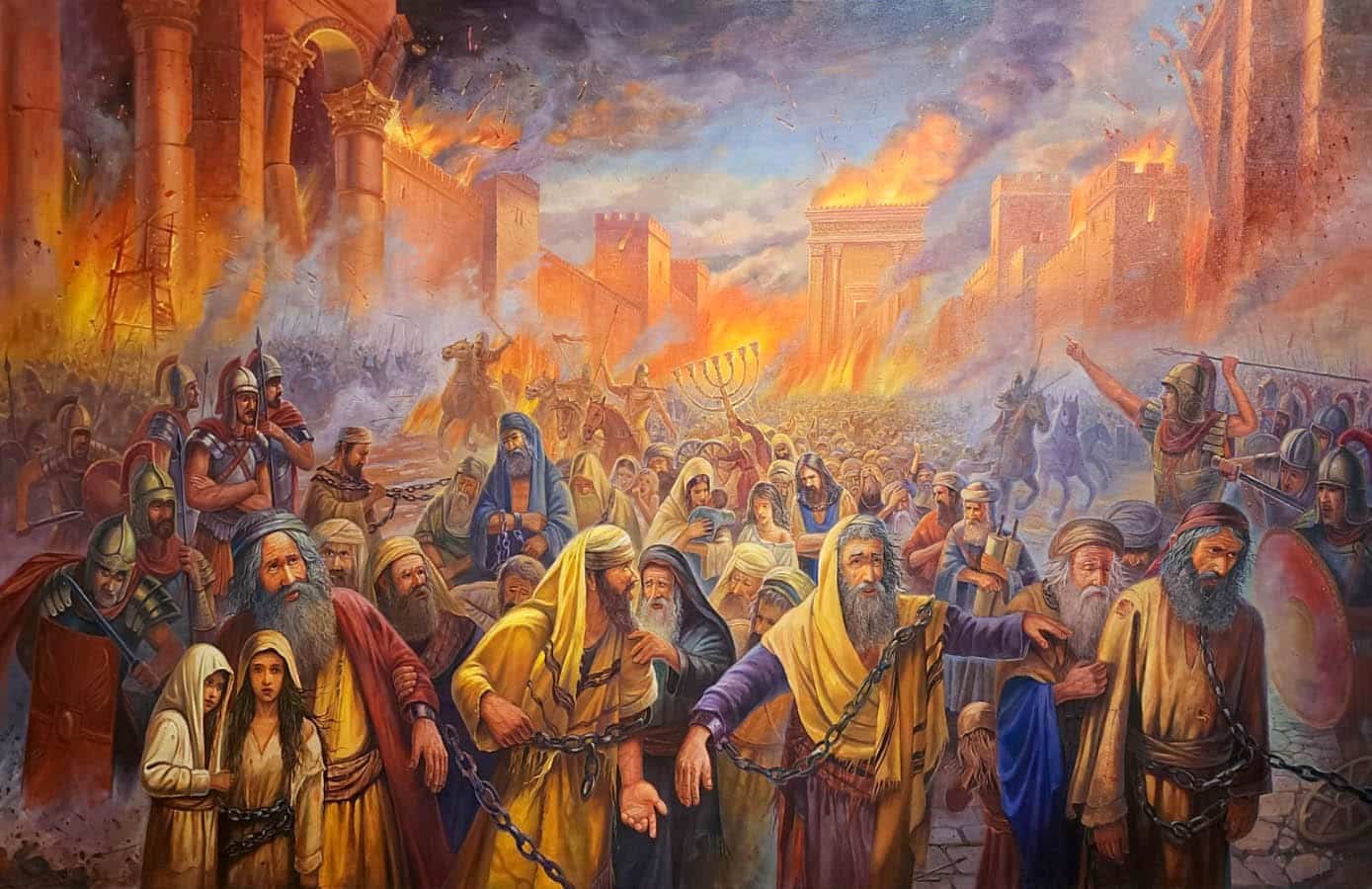
One faithful way of reading this passage is to hear Peter speaking directly to the first-century world he addressed. False teachers mocked the promise of Christ’s judgment, asking where this coming he promised might be. Peter’s answer was clear. The day was near. The judgment they dismissed would arrive within their generation, climaxing in the destruction of Jerusalem and its temple in AD 70.
For Israel, the temple was a miniature cosmos—the world's center. Its fall felt like the end of everything. Yet in God’s purposes, it marked not the end of hope but the unveiling of a new age: the reign of the risen Messiah, whose kingdom would stretch beyond Israel to the nations.
And yet Peter’s language does not remain locked in the first century. Its scope is cosmic. He writes that everything will be exposed and tested.
Here we must be careful. Peter is not announcing the annihilation of creation, as though the world were a disposable failure. Scripture tells a different story, a God who loves His world, and promises its renewal.
The fire Peter describes is not the fire of erasure, but the fire of purification.
This fire shows things as they truly are. What cannot endure is burned away, and Creation is not thrown aside but purified. God does not give up on what He has made; He finishes what He began.
Peter reminds us that God does not measure time as we do. What feels like delay is not absence. We can affirm that God’s patience is purposeful. He lingers because He is gathering his people from every tribe, tongue, and nation.
What looks like delay to us is often mercy at work.
God’s patience toward us becomes a calling for us to live patiently toward one another and to labor faithfully while the door of mercy remains open.
Peter presses the question home. How then shall we live?
First, we learn to receive God’s patience as joy. God has been patient with us, far more patient than we have been with our children, our spouses, our neighbors, or even ourselves. Advent exposes our impatience, but it also invites us to taste of repentance.
Second, we pursue holiness now. Christ is not merely coming someday. He comes to us today. He meets us by His Spirit. He speaks through His Word. He feeds us at His Table. He searches us even now, refining what belongs to Him and burning away what does not. The future judgment begins its gracious work in the present.
Finally, Peter reshapes our vision of the future. If we imagine the world as destined only for destruction, then faithfulness becomes optional. But if God intends renewal, if righteousness will dwell in a restored creation, then what we do now truly matters. This means that every work of love participates in the world that is coming.
Christ is coming. Therefore, live now as citizens of the world on its way.
In the end, Peter’s message is simple. It’s an exhortation to grow in patience; to live attentively as Christ comes to meet us day after day, until the moment He looks upon His people and says, “Enter the new world where righteousness dwells.”