

We move through life collecting moments as though building a sacred monument to holy things, yet we hurry along as if celebration were just another item on a checklist. We rarely pause to ponder. We don’t meditate, prioritize, or recollect. We move on as if moving on were that simple. Later, we become the first to voice our frustrations with life. We park our souls in the ungrateful lot and pretend that the glory-filled conversations and small mercies of our days are things we can simply let slip away. If gratitude is the slow savoring of the good, ingratitude is the easy overlooking of it.
The Scriptures give us a better way.
In the Bible, remembrance is never a vague mental drift; it is a memorial. When we remember, we seal the past in gratitude. From the rainbow after the Flood to the fire of Pentecost, God built memorials into the world. These memorials are not merely for us. They are reminders to God of promises He gladly keeps. We remember because remembrance ties us to those promises. God remembers us, so we remember Him. And when we gather for worship, we renew that covenant relationship by calling upon His name.
Memorializing Memorials
Covenant renewal reminds God—using the language of Scripture—that He has pledged to forgive, to restore, and to give us the joy of salvation again. When the Bible speaks of memorials, it is not suggesting that God forgets. Instead, God delights when His children speak His promises back to Him. Parents understand this. When a child says, “Mom, mom, mom,” it may test your nerves, yet you know exactly what it means. Your child is affirming who you are. God created His world so that our calling upon Him affirms the relationship He established with us.
Gratitude is one of those memorial actions. It anchors us in our identity and in God’s covenant promises. Peter Leithart notes that “our minds are darkened and divided unless we are filled with thanksgiving. Gratitude is an epistemological virtue.” In other words, we do not see clearly unless we give thanks. Gratitude is how we learn to see.
The Gift of Gratitude
If gratitude shapes our minds, then it naturally spills into the world around us. God’s grace produces a kind of common-grace gratitude. Even secular psychologists are now discovering this ancient Christian secret. Robert Emmons writes that gratitude is “one of the few things that can measurably change people’s lives.”
Michael Hyatt suggests ending the day by listing even the smallest graces. This practice, though praised now by psychologists, is simply the recovery of an old Christian habit. Paul exhorted Christians toward it long ago. Bonhoeffer reinforced it for the life of the church. He wrote:
“If we do not give thanks daily for the Christian fellowship in which we have been placed… we hinder God from letting our fellowship grow.”
On this Thanksgiving, we will be surrounded by a table. It is an opportunity to collect memories around food. This is especially fitting since the Christian faith is a food faith. It is rooted in a memorial, the death and resurrection of Jesus.
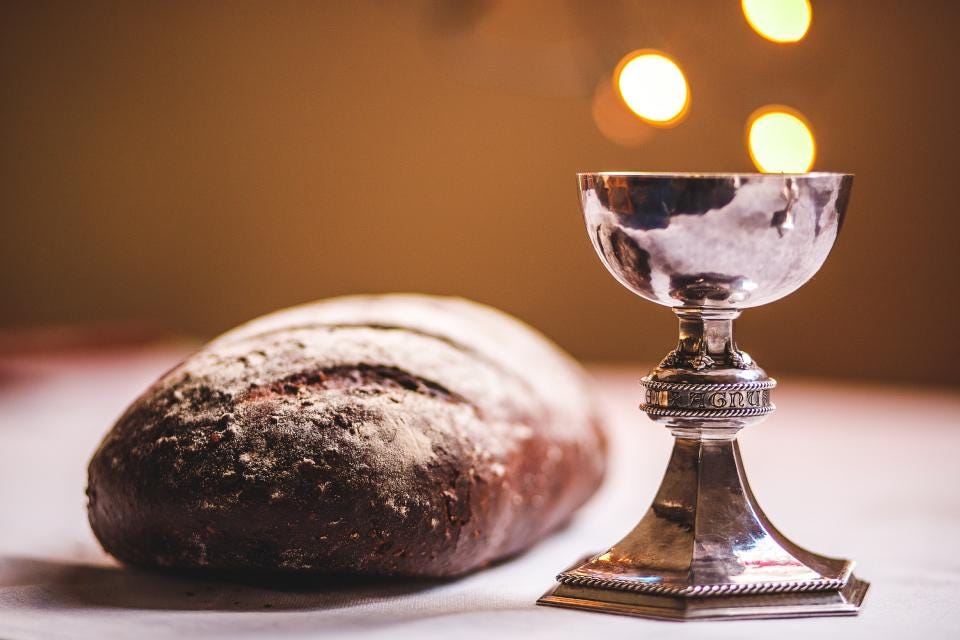
Memorials build a historical consciousness of thanksgiving, which is why our faith is heard and eaten. Christ became the Bread of Life, and the Church feeds on Him. At the Lord’s Table, we encounter a memorial overflowing with gratitude. The very word eucharist means thanksgiving. When we are grateful, we are moved to share the goodness we have received. We become eucharistic in word and deed.
The Table shapes us into a people of gratitude. It forms habits of sharing, generosity, and joy. This is how we remember as a people. The ungrateful forget and wither into cynicism; the grateful build memorials of praise to the Triune God.
Gratitude forms us in love. It pushes us outward to share God’s peace with others. To whom much is given, much is required. Those who feed often at God’s table and receive His goodness day by day are called to lead others into this fellowship of thanksgiving. That is what memorials are for. And today, as we sit around food and family, may we give thanks to God. This is our Eucharistic duty.
So, remember well.
Happy Thanksgiving!
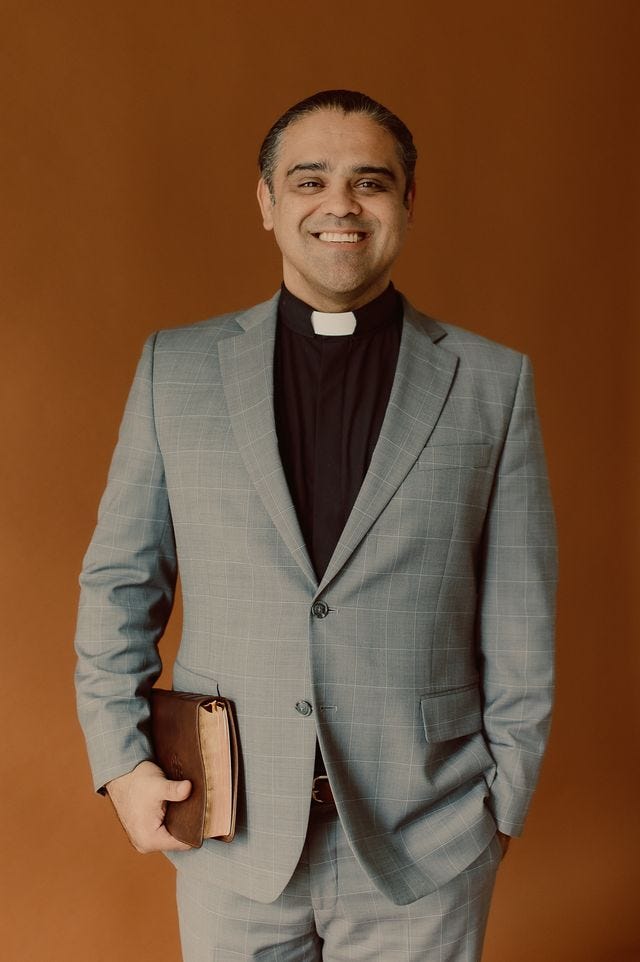
Uriesou T. Brito
FOLLOW ALONG
FACEBOOK / X / YOUTUBE / INSTAGRAM
PODCAST / KUYPERIAN / SUBSTACK