Living for God, Not for Ourselves
Leo Tolstoy once wrote a story called Where Love Is, God Is. It follows a man named Martin whose life unraveled after the death of his son. Grief slowly hardened into despair, and despair into bitterness toward God. Martin wanted happiness restored, and when it did not return, he saw no reason to go on living.
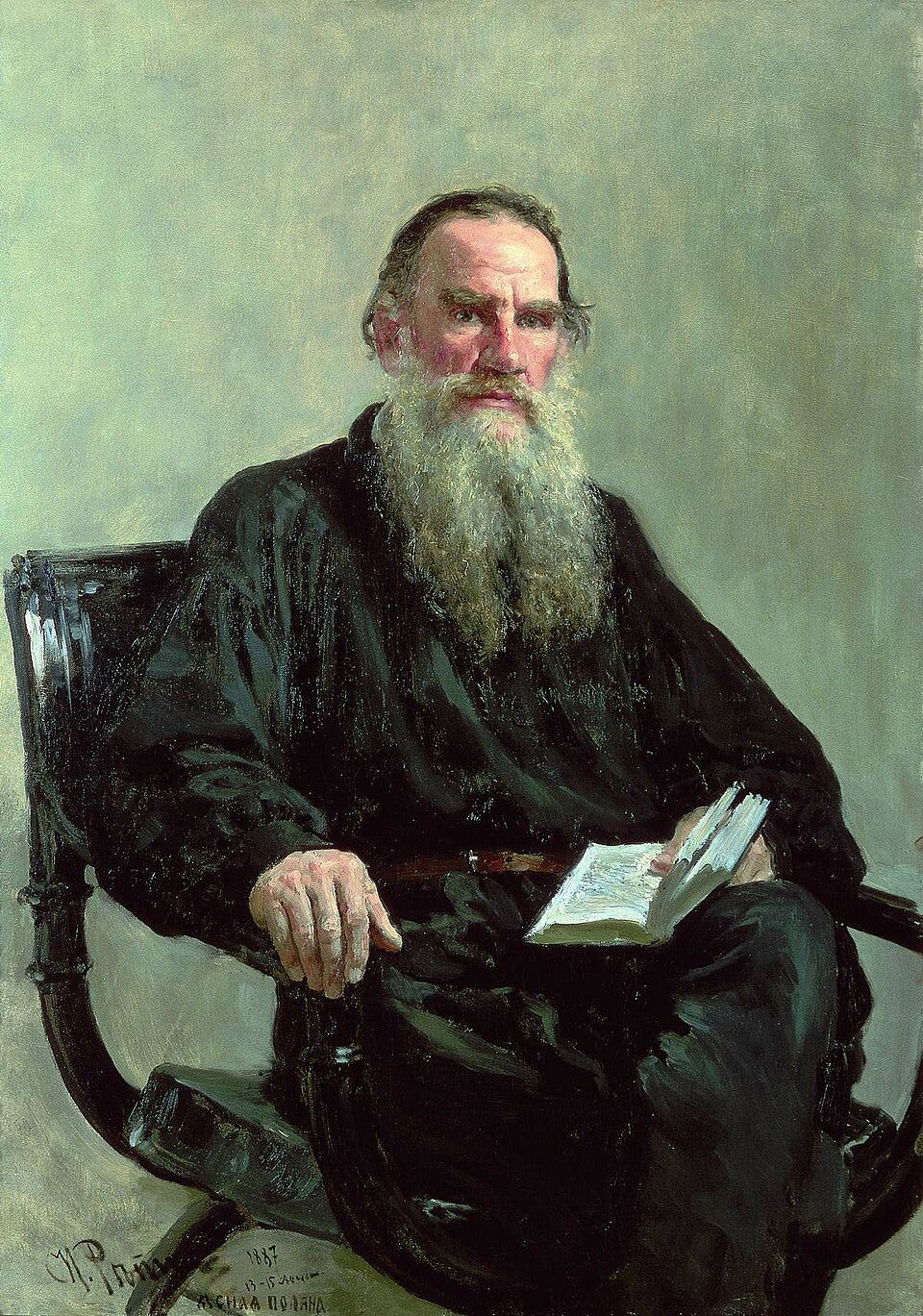
An old man eventually confronted him with a hard truth. Martin despaired because he lived for himself. “What else should one live for?” Martin asked. The answer reshaped his life: “For God. He gives you life, and you must live for Him.” As Martin returned to the Gospels, he learned again how God calls His people to live—and in that discovery, he was restored.
The Gospels invite us into that same restoration this Advent Season. St. Matthew shows us not only who Jesus is, but what kind of life His coming creates. And very early in the story, Matthew makes one thing plain: the doorway into renewal is repentance.
A Kingdom That Demands a New Way of Life
Repentance is not a gloomy fixation on guilt. It is the proper response to the arrival of God’s kingdom. When Jesus announces that the kingdom is near, He is not offering self-help advice. He is calling for a reorientation of life. Martin Luther understood this when he wrote in his first of 95 theses that the whole life of a Christian is meant to be one of repentance. Repentance is not a phase we grow out of; it is the posture by which we live.
Matthew introduces John the Baptist as the voice crying in the wilderness. He is the prophet of repentance. Judea had become spiritually barren. Faith was thin, obedience rare, and leaders oppressive. Into this desert, John speaks a single command: Repent, for the kingdom of heaven is at hand. His call is not merely to feel sorrow for sin, but to turn from it—to straighten crooked paths because the Lord Himself is coming.
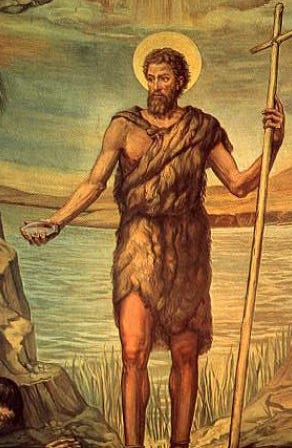
John’s appearance reinforces his message. He dresses like Elijah and lives with intentional severity. Even his diet speaks. He eats locusts because his diet is symbolic. Locusts devour and consume; they are images of judgment. John’s life warns that refusal to repent leads to destruction, yet his message also overflows with hope. People from all over Judea come, confessing their sins and submitting to baptism. They want to belong to the coming kingdom and to the King who stands at its center.
Repentance That Bears Fruit
But not everyone comes with sincerity. The Pharisees and Sadducees also appear, and John addresses them with fierce clarity. Scripture consistently reserves its harshest words for religious leaders who betray the truth and mislead the people. These men trust lineage, status, and religious form. “We have Abraham as our father,” they say. Yet, John dismantles their confidence. He states that baptism without repentance is empty. Heritage without faith saves no one.
This warning still speaks in our day. God is not our Father because of our family background or religious résumé. He brings us into His family through Christ. He uses baptism to mark us for covenant life. That covenant life is a life into repentance because. A true baptismal life bears fruit.
John ends by pointing beyond himself. Another is coming—one far greater. This One will baptize with the Holy Spirit and with fire. He will gather the wheat and burn the chaff. The message of Advent offers mercy and judgment. Grace is freely given, but it is never casual. God aims not merely at our comfort, but at our holiness.

So how shall we live?
We live as repentant people. Advent is a message of hope to all those who turn to Jesus in humble reliance. Parents need to model repentance in the home. Believers practice it in the church. Advent refuses to excuse sin by status, tradition, or habit.
The message of the Gospel is severe for the unrepentant and joyful for the faithful. The Lord is coming. Make his paths straight. Turn from what destroys. Trust the One who brings life. He is the beginning and ending of true restoration of body and soul.