

The Dangerous Peace of Advent
The coming of Jesus Christ is not a sentimental interruption in history but a decisive act of holy warfare. Christ brings peace only by first destroying the power of darkness. Peace, then, is not the absence of conflict but the fruit of a battle well fought. Christianity does not offer rest through passivity but through perseverance. The Advent of Jesus is, by its very nature, a threat—especially to any kingdom, habit, or heart that resists His rule.
This is why Advent unsettles us when we understand it rightly. We are not merely waiting for a baby to arrive; we are confessing that the King has already come. The incarnation has set irreversible consequences in motion. The manger is not a harmless religious symbol but the opening act of God’s judgment and restoration of the world. Yet the Church is often tempted to tame this reality, to treat prophecy as a closed system safely fulfilled long ago or postponed until the end of history. Scripture resists such comfort. God’s presence always brings surprise, and surprise always carries danger.
The Messenger Who Comes to Purify
The prophecy of Malachi confronts this temptation head-on. Writing to a people who had returned from exile, rebuilt the temple, and resumed worship, Malachi exposes a devastating self-deception. Though religiously active, the people had grown cynical. Their worship was polluted, their priests careless, and their obedience transactional. They offered God what cost them little and expected Him to reward them generously. Worship became a tool for profit rather than reverence.

In this context, the people ask a haunting question: “Where is the God of justice?” Malachi’s answer is terrifyingly clear—He is coming. God will return to His temple. A messenger will prepare the way, followed by the Messenger of the Covenant Himself. This prophecy looks forward to John the Baptist and finds its fulfillment in Jesus Christ. When heaven finally breaks its long silence, it does so not with ambiguity but with embodied authority. The manger becomes God’s war chariot, announcing that the world can no longer silence its Judge.
Malachi asks, “Who can endure the day of His coming?” Christ arrives like a refiner’s fire: fearsome and uncontrollable, yet purposeful. Fire destroys, but it also purifies. God does not refine His people to annihilate them but to cleanse them. Alongside fire, Malachi introduces the image of fullers’ soap: close, personal, relentless cleansing. God scrubs His people clean with both strength and tenderness, determined to restore their worship.
Refined for Worship and Glory
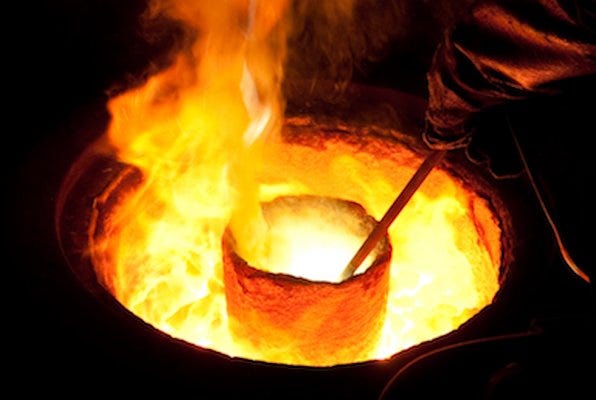
The goal of this refining work is worship renewed. God purifies His people so that they might once again offer themselves in righteousness. Under the New Covenant, the offering is no longer merely something we bring; it is who we are. Our lives become living sacrifices, shaped and reshaped by God’s purifying presence. To desire purity is to welcome change, and change always burns.
This is why Advent is not only personal but ecclesial. Christ comes first to His temple, and in the New Covenant, that temple is the Church. The refining fire is present whenever God’s people gather for worship. This is both comforting and confrontational. Christ’s presence cannot be escaped, but only received. For those clinging to sin, it is frightening. For those living in repentance, it is warmth and life.
The gospel promise of Advent is that this fire does not consume us because Christ was consumed for us. He passed through judgment, water, and furnace in our place. Refined in Him, we are made clean and set free to love. Advent presses a final question upon us: will we flee from His presence, or will we draw near and be transformed by His holy warmth?