Mercy Begins with God
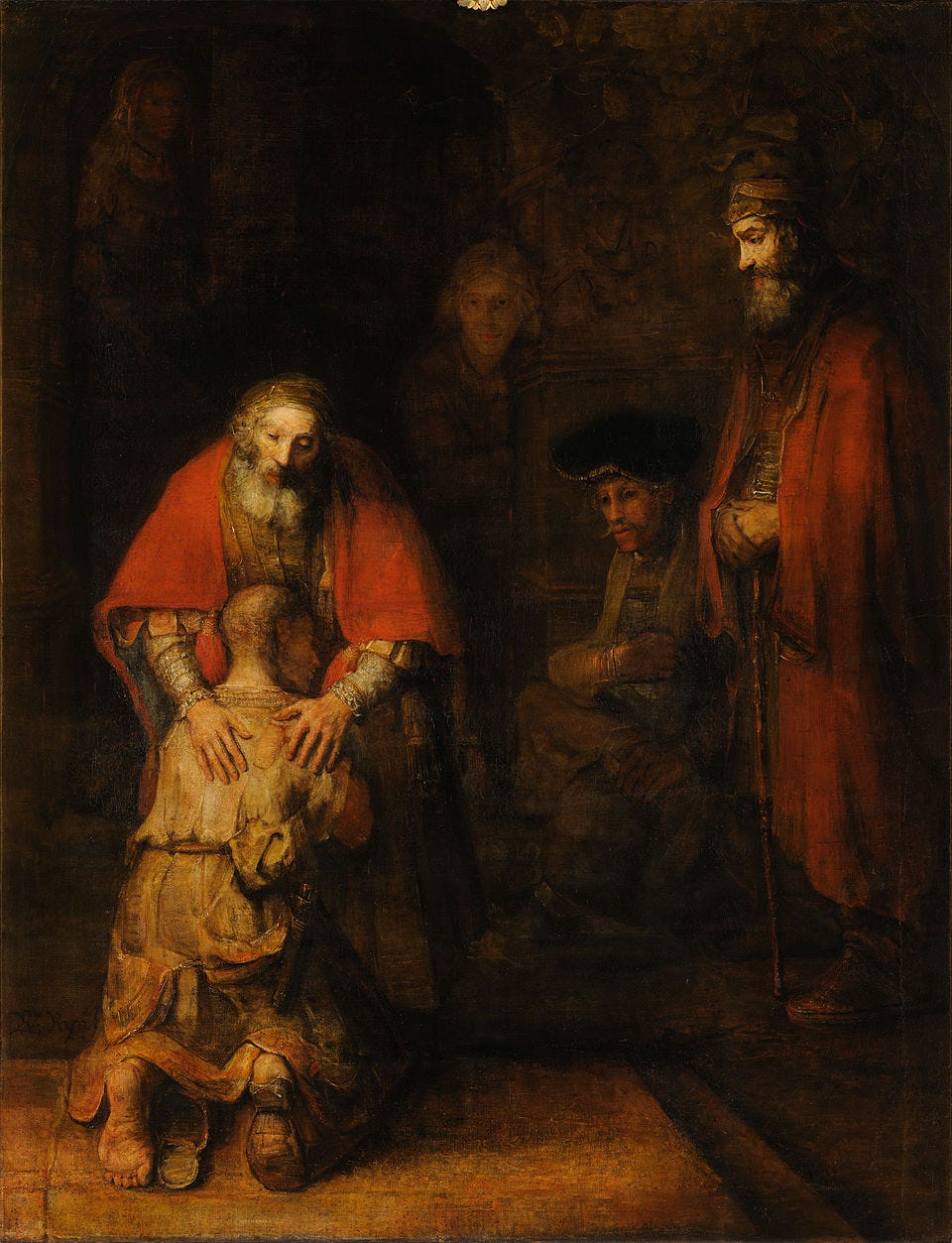
Mercy is not something we invent; it is something we receive. It reminds us that Yahweh is a merciful God, and Jesus, Yahweh in the flesh, embodies that mercy perfectly. He became a merciful and faithful High Priest, the One who took our place and restored us.
Think of your own story. There was a time when your sins left you paralyzed and broken. They caused chaos and darkness in your life. And yet, in that night of the soul, God did not abandon you. When no one was reaching out, He extended His right arm and pulled you out of your distress.
This is where mercy begins. Not with what you give, but with what you have received.
Mercy Moves Outward
But mercy is never meant to remain internal. It is not introspective, but extraspective. It moves outward toward God and toward neighbor.
To be merciful is not simply to feel compassion. It is to act. It is to enter into the needs of others and bring relief. And this is where many of us stumble. We confuse mercy with pity. We speak about needs. We acknowledge burdens. We even pray publicly. But mercy requires something more. It requires movement.
We live in an age where technology allows us to know the burdens of many. This is a gift, but it can also become a substitute for real obedience. Knowing is not the same as doing. Mercy is not gossip. Mercy is not passive sympathy. Mercy is action.9
And therefore, wisdom is required. We cannot do everything for everyone, but we are called to invest deeply in some. Mercy begins in the household of faith and then extends outward.
Mercy Is Its Own Reward
What then should we expect? Gratitude? Perhaps, but not always.
As Calvin reminds us, the world may often be ungrateful. But that is not our measure. Our hope is not in the response of others, but in the character of God. He is gracious and merciful, and He stores up grace for those who show mercy.
This is our comfort. God sees. God knows. God rewards.
And so in these final days of Lent, do not merely remember that you were shown mercy. Become a vessel of that mercy. Let your scars remind you not of your shame, but of the God who remade you.
Notations
I have read a plethora of Wilson books, but if you are asking what the Moscow Mood is in a little book, look no further than “Gashmu Saith It,” a line taken from the book of Nehemiah. Here are a couple of gems of this succinct polemic:
“The story is often more powerful than the facts, and so the facts must be told well.”
“We are not in a misunderstanding; we are in a conflict.”
“If you are unwilling to be misunderstood, you are not ready to be faithful.”
Nuntium
I will be speaking at a counseling conference in late September. Here is the link to the event.