

In the dark years of World War II, the Third Reich attempted an audacious ecclesiastical project. It created a state-approved church, the German Christians, a body that pledged loyalty to both Jesus Christ and the Führer. The arrangement sounded pious but proved deadly. Allegiance to Christ was acceptable only if it harmonized with allegiance to Hitler. If one could not pledge loyalty to the German ruler, one was no longer merely unpatriotic but disloyal to the faith itself.

In 1934, a group of battered Christians, largely Lutheran and Reformed, gathered to resist this false gospel. Their response became known as The Theological Declaration of Barmen. Its central claim was simple and costly: “Jesus Christ, as he is attested for us in Holy Scripture, is the one Word of God which we have to hear and which we have to trust and obey in life and in death.” That confession would lead many signers to prison, exile, and death.
Before issuing their declaration, these pastors gathered to sing Psalm 146. “Hallelujah! Put not your trust in princes, in whom there is no salvation.” Their singing was not ceremonial filler. It was a public act of defiance. In the presence of a rising tyranny, they confessed that no earthly ruler could share loyalty with Christ. Their hallelujahs were costly words spoken before God and the watching world.
Psalm 146 places praise at the very center of the Christian life. It does so by teaching us where our boasting belongs. The psalm invites us to boast in God’s presence, God’s authority, and God’s power. These themes are not abstract theology. They are survival truths, especially in Advent, when the Church learns again to wait for a King whose reign does not mirror the kingdoms of the earth.
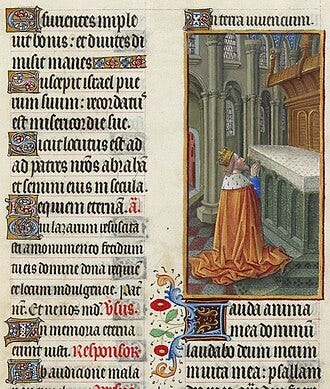
The psalm opens with a vow: “I will praise the LORD as long as I live; I will sing praises to my God while I have being.” The name of God matters. The psalmist praises Yahweh, the covenant Lord who binds himself to a people. God reveals his presence through his name because he reveals himself through covenant. He does not remain distant or hidden. He makes himself known in Word and Sacrament, in the gathered assembly, and in the praises of his saints.
This praise is not dependent on temperament or favorable circumstances. It is lifelong and comprehensive. The psalmist praises while he has breath. Remove God’s presence, and praise becomes hollow. Why boast in a life that ends with oneself? Why sing if one’s own voice is the final authority? The psalmist sings because his life exists for Another. Advent gives that presence a name: Emmanuel, God with us.
The psalm then turns sharply toward a warning that Scripture repeats with relentless clarity. “Put not your trust in princes, in a son of man, in whom there is no salvation.” The phrase “son of man” here points us back to Adam. Earthly rulers are sons of dust. They may govern wisely and enact just laws, but they cannot save. Their breath departs, and their plans perish. Their monuments crumble. Their policies fade into the archives.
This warning does not deny the goodness of civil authority. Scripture calls rulers ministers of God for the common good. But Psalm 146 refuses to let us confuse instrument with source. Governments may restrain evil, but they cannot redeem. When the state becomes a messiah, disappointment is inevitable. We are bound to be disillusioned if we ask princes to give what only God can supply.
The temptation is always to divide our trust. We imagine we can rely on God and earthly rulers equally. History proves otherwise. Even faithful leaders must never be elevated beyond their calling. The Church is not the headquarters of a political movement. It is the embassy of the kingdom of God. The same caution applies within the Church. Pastors and theologians will disappoint you. Their authority is real but limited. God’s authority is not.
Psalm 146 closes by directing our attention to God’s power. Yahweh made heaven and earth, the sea and all that is in them. He executes justice for the oppressed, feeds the hungry, frees prisoners, opens blind eyes, lifts the bowed down, loves the righteous, and watches over the sojourner. This is not sentimental language. It is covenantal power exercised on behalf of the weak. As the Westminster Catechism teaches, God “delivers us out of the estate of sin and misery, and brings us into an estate of salvation by a redeemer.”
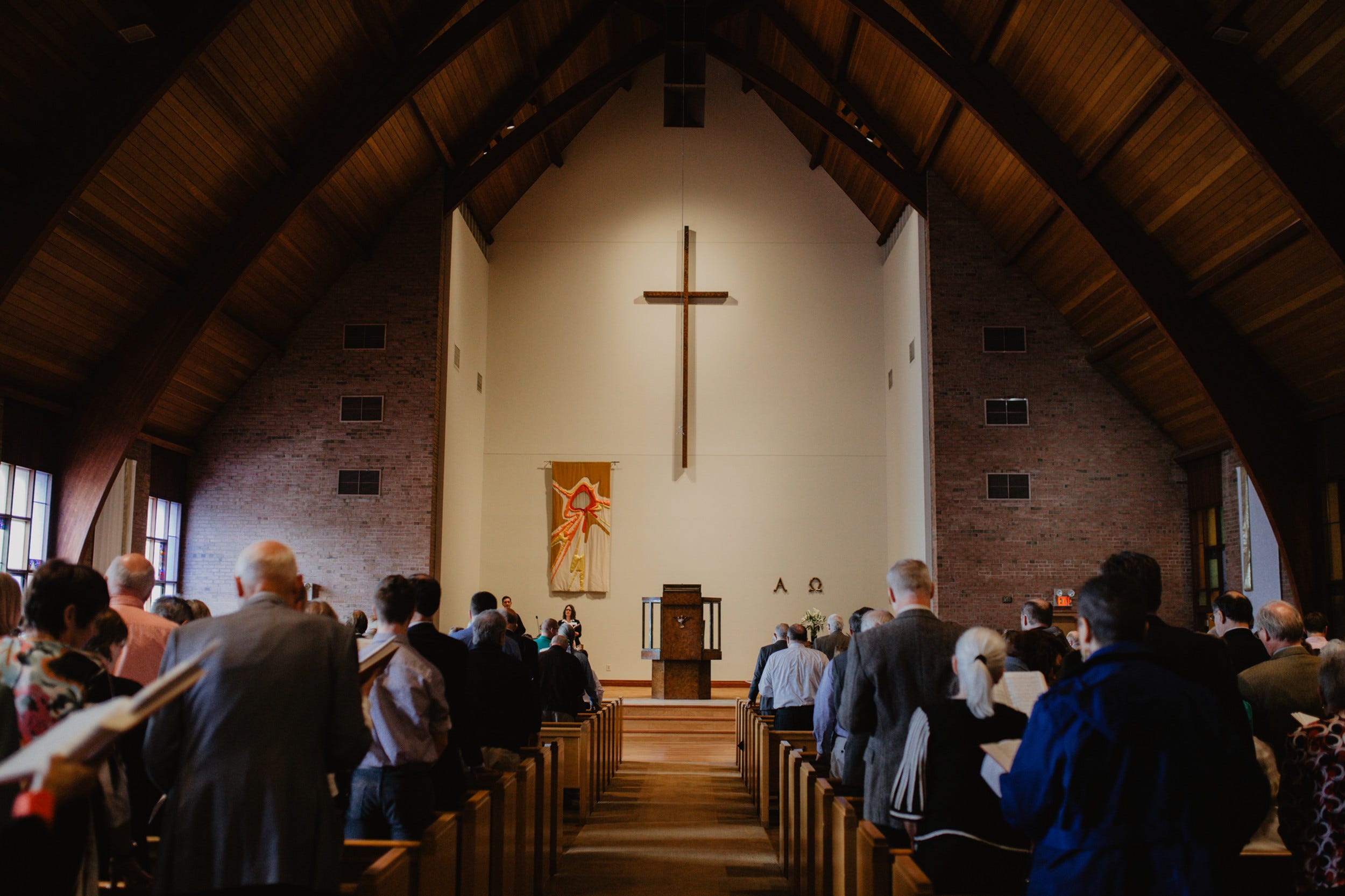
God’s power is not limited to a single historical moment. He reigns forever. He has all eternity to overturn the schemes of the wicked and to vindicate his people. This is why hallelujahs are not naïve optimism. They are hope grounded in resurrection.
Dietrich Bonhoeffer understood this truth deeply. Imprisoned for his resistance to the Nazi regime, he refused to place his trust in princes. On the morning of his execution, he said quietly to a guard, “This is the end, but for me, the beginning of life.” His words echo Psalm 146 in flesh and blood.
Advent trains the Church to sing like this. Not sparingly. Not politely. But boldly. Hallelujahs build upon one another because they shape our loves and loyalties. Calvin once observed that the human heart is an idol factory. The redeemed heart, however, is meant to become a hallelujah factory, producing praise as a way of life.
So sing. Sing against the princes. Sing against despair. Sing because your salvation does not rise and fall with sons of Adam, but with the Second Adam, Jesus Christ. Praise the Lord. Hallelujah.