

Lent invites the Church to follow Jesus on the road to Jerusalem. It is a season of reflection, repentance, and renewed trust in the Shepherd who leads his people through wilderness and into life. Psalm 23, one of the most beloved psalms in Scripture, takes on deeper meaning when read in the light of Christ’s journey to the cross.
“The LORD is my shepherd; I shall not want.”
When Jesus enters Jerusalem, he comes as a Shepherd-King. His triumphal entry hymn is the hymn of David: “Hosanna, blessed is he who comes in the name of the Lord.” Jesus is the new David coming to Jerusalem to give his life for the sake of his people.
And he shepherds them by giving his all. When the psalmist says, “You shall not want,” it means that Jesus will not give of himself in portions but gives his entire body for the sake of his people. The Shepherd gives himself. We will not want because Jesus gives himself entirely at the cross, but also wholly to us.
The Shepherd Who Guides His People
“He makes me lie down in green pastures.
He leads me beside still waters.”
This section speaks to our Lord’s teaching ministry. If you remember, Jesus feeds the five thousand, and they sit down to hear his word. The next phrase accentuates this since Jesus is the way, the truth, and the life. He guides his people.
We can think of the wisdom of Solomon, which guided God’s people in turbulent times. Jesus is the new Solomon who instructs his people in the ways of Torah.
“He restores my soul.
He leads me in paths of righteousness for his name’s sake.”
Jesus does not take you someplace to relish in your misery. We are all struggling to understand what is happening and when things can return to normal. Yet Jesus is restoring us through this season, guiding us step by step, even when we do not know exactly where he is leading.
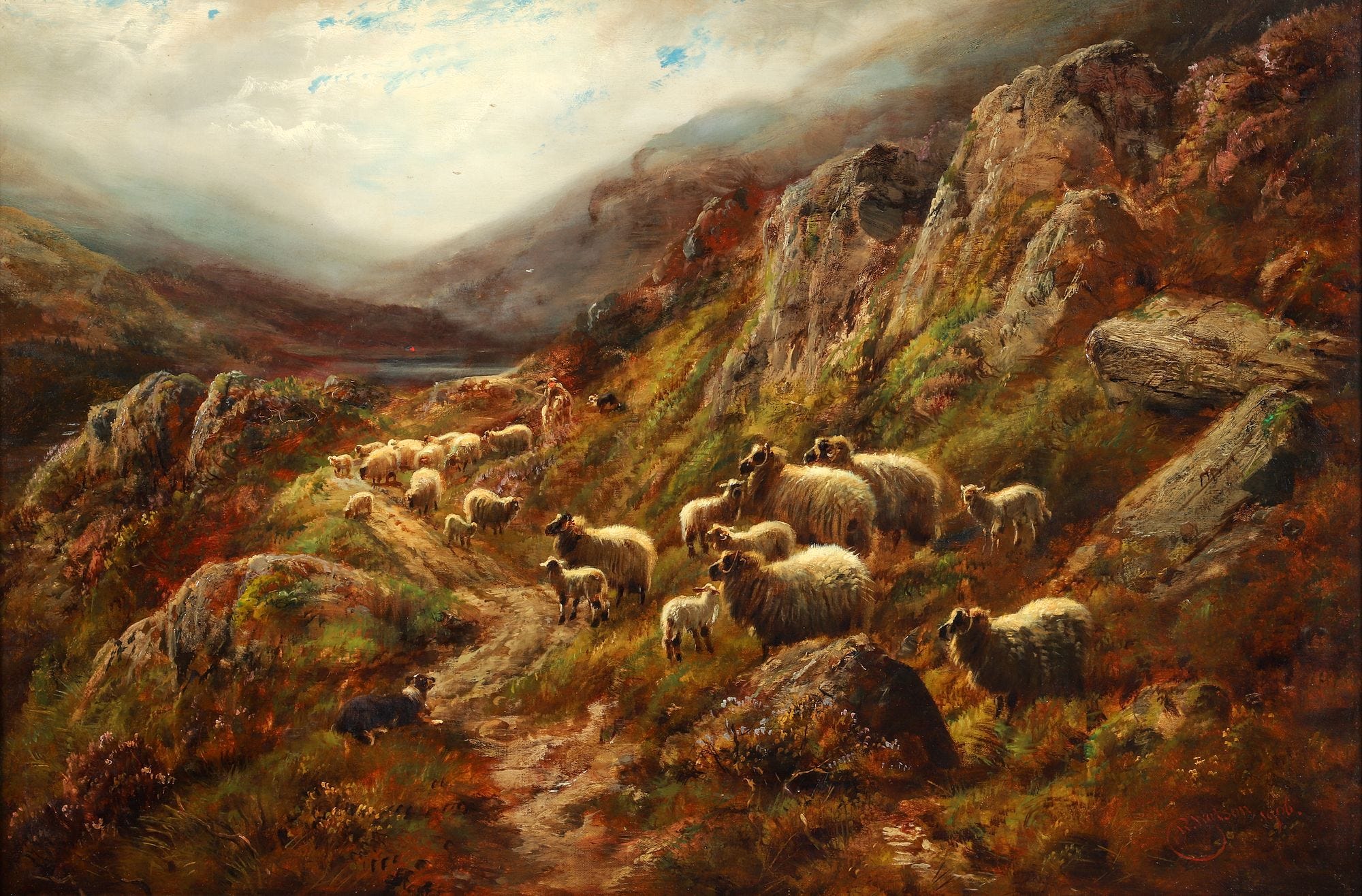
After all, it is his reputation: “for his name’s sake.” It is the name of Jesus that the world sees in times of confusion. Jesus, through his church, is the only way to stay vigilant in such times. He guides his bride in the wilderness and in seasons of uncertainty. He will keep the purity of his name, and we can trust that he is showing the church how to live faithfully in whatever season of life we are in.
The Shepherd Who Walks With Us Through the Valley
“Even though I walk through the valley of the shadow of death,
I will fear no evil, for you are with me.”
This is wilderness language. We might even say it is Lenten language. Jesus walked through the wilderness on his way to Calvary. The Father was with him, and he now invites us to walk the journey of life with him because he first walked it for us. Jesus never expects us to endure something he has not experienced. He is our High Priest who sympathizes with our weakness.
“Your rod and your staff, they comfort me.”
There is an even more compelling reason to trust the unknown: Jesus is a warrior-shepherd. He holds the rod and staff that David used to keep lions away from his sheep. Jesus is not passive when it comes to protecting his people. He wars on their behalf.
“You prepare a table before me in the presence of my enemies.”
Again, Jesus does not merely teach; he nourishes. He is the eucharistic offering to the world. Our Lord Jesus gives us himself at the Table. The enemies watch from the outside, wondering what this group of sojourners is doing around a table with bread and wine. Jesus surprises us daily with his goodness. The Lord’s Supper is the culmination of his table, but our family tables and coffee tables are extensions of the rest Jesus gives his disciples to endure the race.
“You anoint my head with oil; my cup overflows.”
The language indicates a priestly ordination. Kings were anointed with oil to attend to their callings. Jesus was anointed at his baptism to wage war against the devil in the wilderness. We, too, share in that anointing. We are baptized into his name, prepared to fight well for his kingdom.
“Surely goodness and mercy shall follow me all the days of my life,
and I shall dwell in the house of the LORD forever.”
The cross should have been the end of goodness and mercy. Yet for our Lord, it became the place from which goodness and mercy flowed into the world. Wherever Jesus went, goodness and mercy followed. And wherever we follow Jesus, goodness and mercy follow as well.
How long? All the days of our life. Goodness and mercy do not have expiration dates. They flow from an overflowing cup.
For the psalmist, the house of the Lord is the place where God’s people dwell. For us, it is his church. We reside in the house of the Lord forever because the Church of our Lord continues even into the world to come.
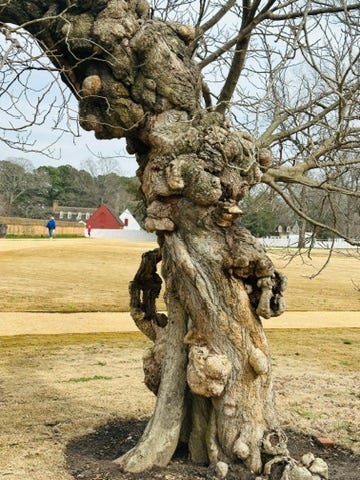
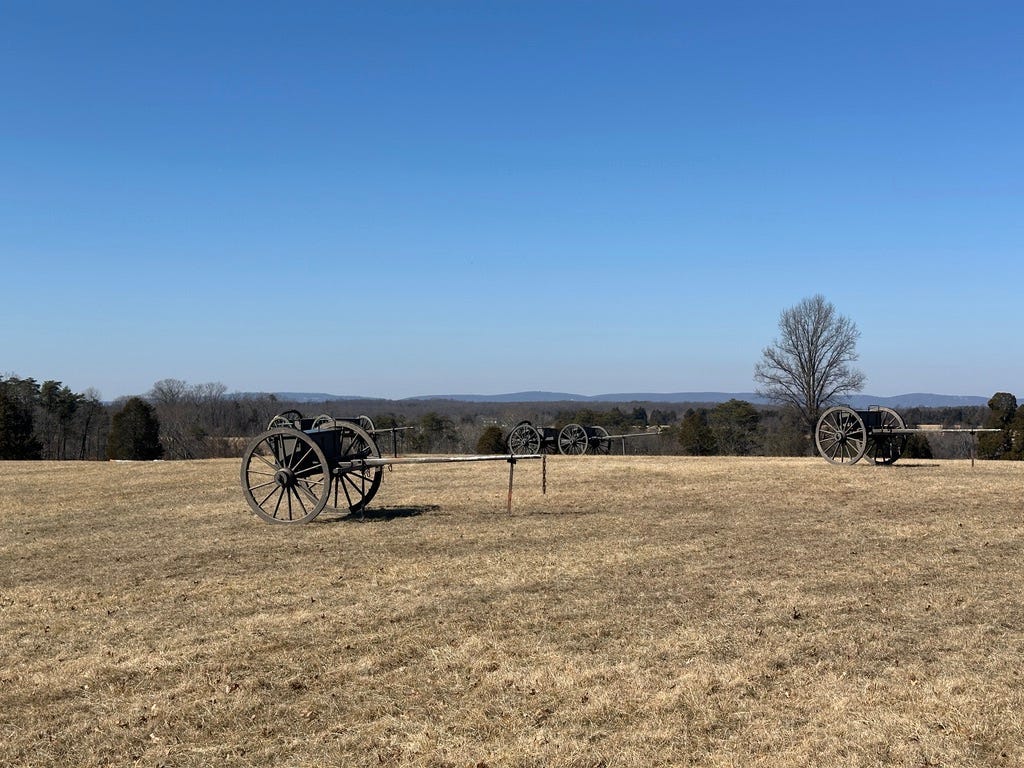
Union forces under Irvin McDowell marched south, hoping for a quick victory over the Confederate army commanded by P. G. T. Beauregard and reinforced by Joseph E. Johnston. Many people in Washington even traveled to watch the battle, expecting the war to end quickly.
At first, Union troops pushed Confederate forces back. But Confederate reinforcements arrived by railroad, one of the first major uses of rail transport in warfare. During the fighting, Confederate General Thomas J. Jackson earned the nickname “Stonewall” because he held his line firmly while other units were retreating.
As the afternoon progressed, Confederate counterattacks broke the Union army’s lines. The Union troops retreated in confusion back toward Washington, turning the battle into a chaotic rout.
Everywhere we stepped, it felt like we were treading on the war cries and bones of young men.