

Who Are You? Identity in a World of Status
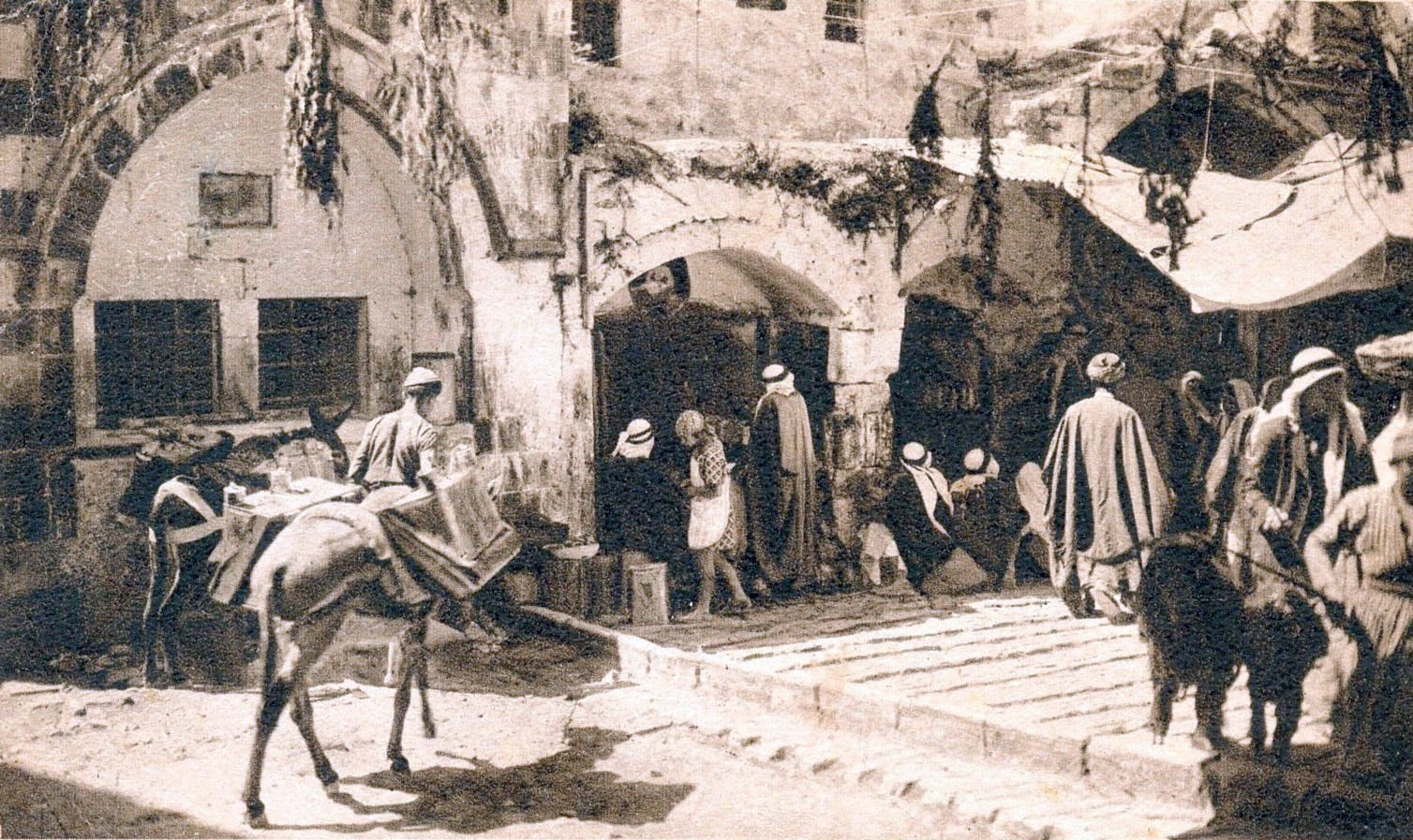
In the first century, one of the most important questions anyone could ask was simple but decisive: Who are you? Identity was not primarily about beliefs or personal convictions but about lineage. Who was your father? What tribe did you belong to? Where were you born? Social status functioned as a gatekeeper to privilege, authority, and legitimacy. The religious leaders of Israel understood this system well, which is why Jesus posed such a threat. He came not from an elite household but from the family of a carpenter. By all conventional measures, nothing about his pedigree suggested greatness.
This is precisely why John’s Gospel begins where it does. John is not interested in flattering the religious authorities or negotiating status within their system. He opens instead with a thunderclap that redefines reality itself: “In the beginning was the Word.” In one sentence, John locates Jesus not in a family tree but in eternity. Before there were tribes, borders, or hierarchies, there was the Word—and the Word was God. Our hope, John insists, is not in the recovery of better days or purer bloodlines, but in the Messiah who precedes all days, the Ancient of Days himself.
By beginning here, John dismantles the first-century obsession with lineage and power. Identity is no longer measured horizontally—by social rank or ancestry—but vertically, in relation to God. The question “Who are you?” can no longer be answered by appeal to human credentials. It must be answered by divine revelation.
The Witness Who Didn’t Look the Part
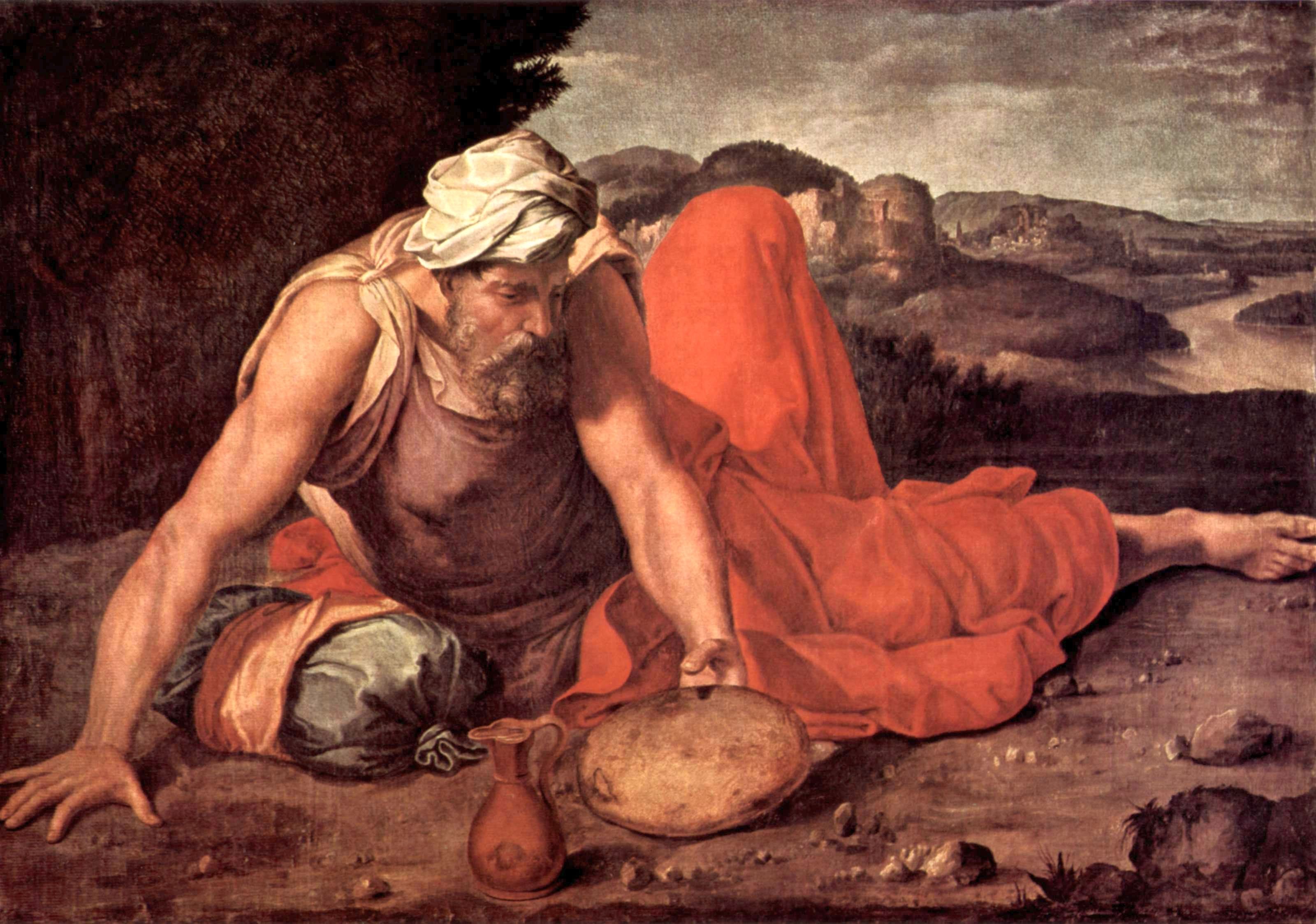
After introducing Jesus, the Apostle John immediately introduces another figure: John the Baptizer. The contrast is deliberate. If Jesus is eternal glory clothed in flesh, John is prophetic severity clothed in camel’s hair. His appearance alone would have disqualified him in polite religious society. Locusts and wild honey were not the diet of elites; they were the food of affliction. Everything about John’s life signaled disruption rather than refinement.
Yet this strange figure is described as “a man sent from God.” John is not the light, but he is commissioned to bear witness to it. His clothing evokes Elijah, the prophet of confrontation, and his diet functions as embodied preaching. Locusts consume and devastate; in Scripture, they often symbolize invading judgment. John’s message is clear without a word being spoken: repentance is urgent, and judgment is near. What he eats becomes part of what he proclaims.
This is not how the religious leaders would have staged the arrival of God in the flesh. If you are unveiling the Messiah, surely you would choose a spokesman with polish, pedigree, and influence. Instead, God sends a wilderness preacher whose very presence unsettles the system. Advent, from the beginning, overturns expectations. God does not reinforce the structures of status; he exposes their emptiness.
The Voice That Levels the World
When priests and Levites confront John, they ask the inevitable question: Who are you? Are you the Christ? Elijah? The Prophet? John’s answers are all refusals. He denies every title that would grant him status. Then he gives the only answer that matters: “I am the voice of one crying out in the wilderness.” John does not define himself by who he is, but by what he does. He is a voice. A servant. A messenger preparing the way for another.
And that is where the true shock lands. John insists that someone greater is already standing among them—unknown, unrecognized, yet infinitely superior. John, the greatest prophet of the Old Covenant, declares himself unworthy even to perform the task of a slave for this coming one. Status collapses entirely. If John stands beneath Jesus, then every human hierarchy must be rethought.
Jesus’ Advent devastates the false measurements of the world. He does not come to reinforce distinctions of tribe, wealth, or heritage, but to undo them. The most prestigious claim in the ancient world was descent from Abraham, yet Jesus calmly declares, “Before Abraham was, I am.” His history does not trace backward through generations but upward into eternity.
This is why Advent still matters. It teaches us to see differently. Our hope is not in heritage but in the inheritor of all things. In Christ, the shoemaker and the ruler stand on equal ground, sharing the same promises, the same adoption, the same Lord. Advent reorders our vision, training us to see one another not through the lens of status but through the grace of God in Jesus Christ.
Nuntium
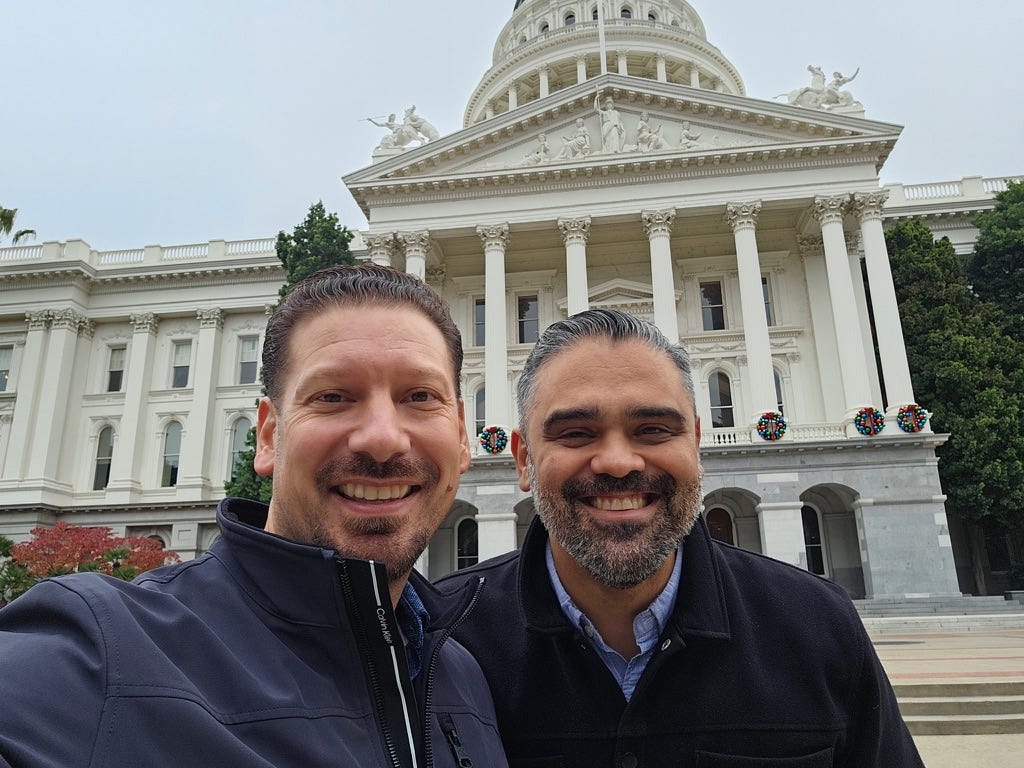
It was a delight to spend time with my friend, Paul Liberatti, in Sacramento, CA. Paul’s congregation is an outstanding example of the three pillars of the CREC: Culture, Theology, and Liturgy.
The Latest Perspectivalist Podcast:
In this Advent episode of The Perspectivalist, Uri Brito is joined by Canadian pastors Dave Forsyth and Matt Halleck to discuss the growing threat to religious liberty in Canada, focusing on the proposed Bill C-9, known as the Combating Hate Speech Act. While presented as a measure to protect vulnerable groups, the bill increasingly places historic Christian teaching—and even specific biblical texts—under suspicion by the state.
🔗 Bill C-9 overview: https://www.parl.ca/legisinfo/en/bill/44-1/c-9
The discussion explains how Bill C-9 removes key legal safeguards, eliminates good-faith religious exemptions, and gives local law enforcement broad discretion to define “hate speech.” Forsyth and Halleck situate this moment within Canada’s longer trajectory of secularization, intensified by COVID-era church restrictions and a pietistic tendency within the Church to retreat from public life rather than confess Christ’s lordship over all things.

The episode closes with a call to courage. This is another defining moment for the Church—one that demands clarity rather than self-censorship. Canadian pastors are urged to speak boldly, engage publicly, and proclaim the crown rights of King Jesus with confidence and hope. Listeners are encouraged to support faithful advocacy efforts and remain vigilant.
🔗 ARPA Canada resources: https://arpacanada.ca
Steve Primo
Asking to reconsider one part of this message today, 12-19-2025 you are stressing the importance of John the Baptizer, And the eternal existence of THE CREATOR, JESUS CHRIST. I agree WITH ALL THIS .
But…
But your emphasis on the lack of impressive Pedigree of Jesus in the Gospel of John, needs to be balanced by the importance of the Gospel of
Matthew which DOES GIVE THE pedigree —the lineage—of Jesus Christ going backwards from Mary to the House
And Lineage of David. Her ancestors include Ruth and also the Harlot Rahab from Jericho, who helped the spies escape Alive when the Jews conquered Jericho, she and her household were allowed to escape alive.
Matthew presents Jesus. Christ as King, so there is an important lineage of Jesus Christ (through Mary on His human side).
I know that you know these things, And I realize your article was giving emphasis on the Gospel of John. I hope readers will have a reaction similar to my reaction expressed in these comments. The lineage in Matthew is important .
Thanks for this article,
Steve Primo in Virginia
12-19-25. 8:58 am est