

The Question We All Eventually Ask
During Lent, the Church regularly faces a question many believers quietly carry: how is a Christian to view burnout from too much suffering? Wouldn’t God want good for His children? What is the point of it? Does God use suffering to teach or abuse His children? And what is the point of suffering, if we are already saved?
You will eventually encounter this question as a parent, friend, mentor, or simply as a Christian trying to make sense of your own weariness. Lent refuses to dodge it. The forty-day journey assumes something uncomfortable: God leads His people through the wilderness before the resurrection.
So how do we begin to deal with such a profound inquiry?
Redefining “Good”
The question raised is, “Doesn’t God want good for his children?” In other words, how do suffering and good fit in the same sentence? Paul says that all things work together for good for those who love him and are called according to his purpose (Rom. 8:28). So, where is the Good in suffering plus suffering multiplied by suffering, but never divided or subtracted by suffering?
One of the fundamental issues in discussing the Good is defining it in accordance with the Scriptures. If we believe Good has to do with everything going well for us — the kids are in bed, Hulu+ is on, paycheck keeps coming regularly, everyone is relatively healthy all the time — if that’s what we mean by Good, we are going to be very disappointed as Christians.
When I was growing up, there was this Christian tract going around called the Four Spiritual Laws. One of the themes of the tract was that God has a wonderful plan for your life if you become a Christian. Even back then, I remember thinking, “What do they mean by ‘wonderful?’” What if suffering will bring about God’s perfect and wonderful plan for our lives?
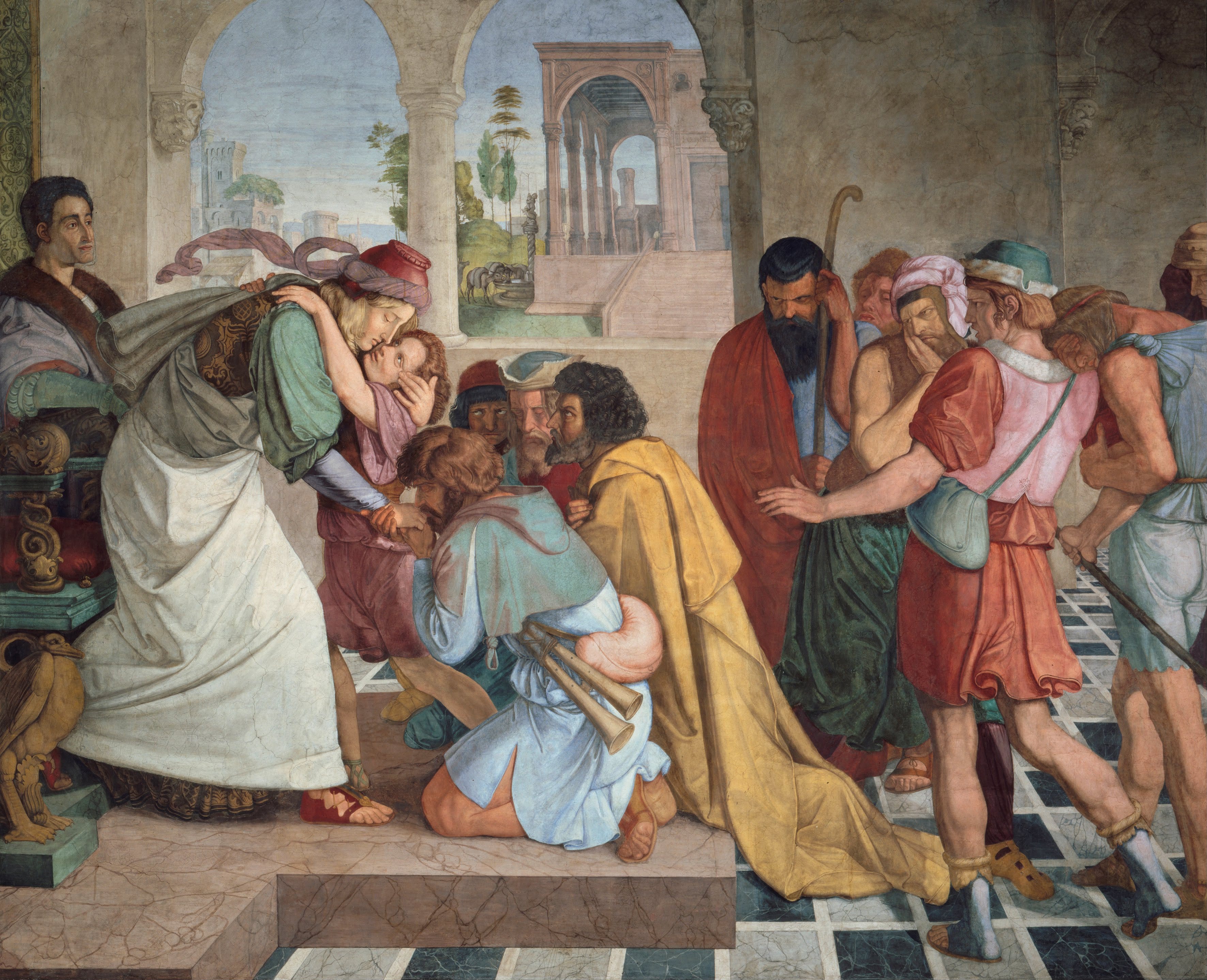
The Bible uses the word good constantly. At the beginning of Genesis, God creates things in a day, and then he says it is good. At the end of the creation week, God says, "It is very good.” At the end of Genesis, Joseph looks at his brothers and says, "You intended to harm me, but God intended it for good" (Gen. 50:20). A contrast is at work, helping define the good for the readers.
When the Bible speaks of the Good in creation, it is not talking about safety from oppressors or the absence of suffering. It is about creation following God’s design. Joseph suffered immensely, yet his suffering turned his face toward God—the greatest Good. Did the Father not do good to Jesus because Jesus suffered? Of course, he did good.
The Lenten Orientation
Here’s where the rubber meets the good: When God does Good he re-orients us in our life-journey.
Doesn’t God want good for his children? Yes, but you need to understand that for God to do good means to orient us to his ways, his order, his will, his desires, his word, his body, and his instruction. Lent is the Church’s yearly reminder that God’s goodness often feels like subtraction before it feels like addition.
When we suffer, however much we suffer, the best good God can do for us is to orient our eyes towards Him and his people. What good does it do to recover from an illness and be driven away from God? Now, does God heal? Yes. Is that good? Yes. But if we suffer, the greatest good God can do for us is to direct us deeper into his purposes and order and ways. Senator Ben Sasse, currently dying of pancreatic cancer, said recently that he would never trade his communion with God now from the days before his cancer diagnosis.
Day one of creation is good because the sun, moon and stars serve God’s purpose. Joseph’s suffering is good because it leads him to serve God in a more significant capacity. Christ’s cross is good because it restores the world.
Therefore, God does good amid our suffering by turning our affections, desires, and habits toward him. Anything else is not good.
And this is why Lent calls us to repentance: not because God delights in pain, but because He delights in re-ordering love.
May we repent of our false definitions of good today.
Jamestown Pictures
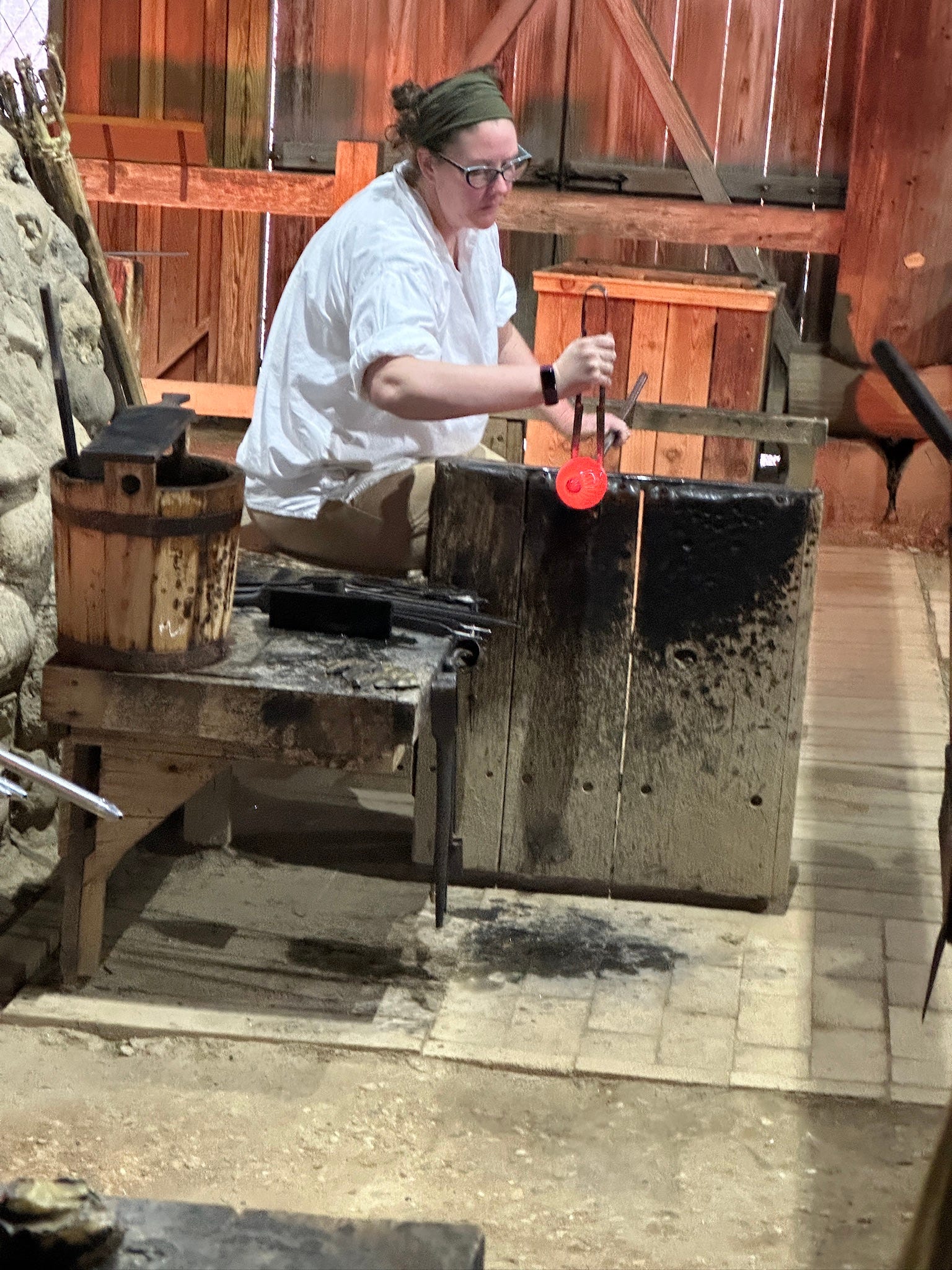
Jamestown marks the location of the first enduring English settlement in America, established in 1607. In 1619, it also hosted the inaugural session of the Virginia House of Burgesses, marking the beginning of representative lawmaking in the New World.


As a believer in the midst of prolonged, recurrent suffering, I appreciate you giving words and meaning to it: reordering of loves. That’s exactly what’s happening. Not pleasant, but good.