

An Unexpected Song of Advent
In our final days of Advent expectation, the text gives us an unexpected song. It does not come from angels in the sky or shepherds in the fields. It comes from the lips of Elizabeth. The narrative takes us back to a time when the great Prophet had not yet been born and when the long-expected Jesus, in human flesh, had not yet entered the world.
The context is familiar. God sends the angel Gabriel to an impoverished village to a young, poor, engaged woman named Mary. The angel greets her with the familiar biblical refrain, “Do not be afraid,” and announces that she will bear a son. Mary is perplexed by this greeting and asks the inevitable question, “How will this be, since I am a virgin?”
The answer is not philosophical but theological: “What is impossible with man is possible with God.” This is a miracle! “The Holy Spirit will come upon you,” the angel says, “and the power of the Most High will overshadow you; therefore the child to be born will be called holy—the Son of God.”

To calm Mary’s shock, the angel points to another miracle. Elizabeth, long barren, is now with child. The language deliberately echoes Genesis 18, when Sarah was promised a son in her old age. Sarah laughed in disbelief. Mary does not. Her response is immediate faith: “Behold, I am the servant of the Lord; let it be to me according to your word.”
That sentence alone deserves meditation. Mary is amazed but not resistant. She yields. “Not my will, but the will of God be done.”
Learning Christ from His Mother
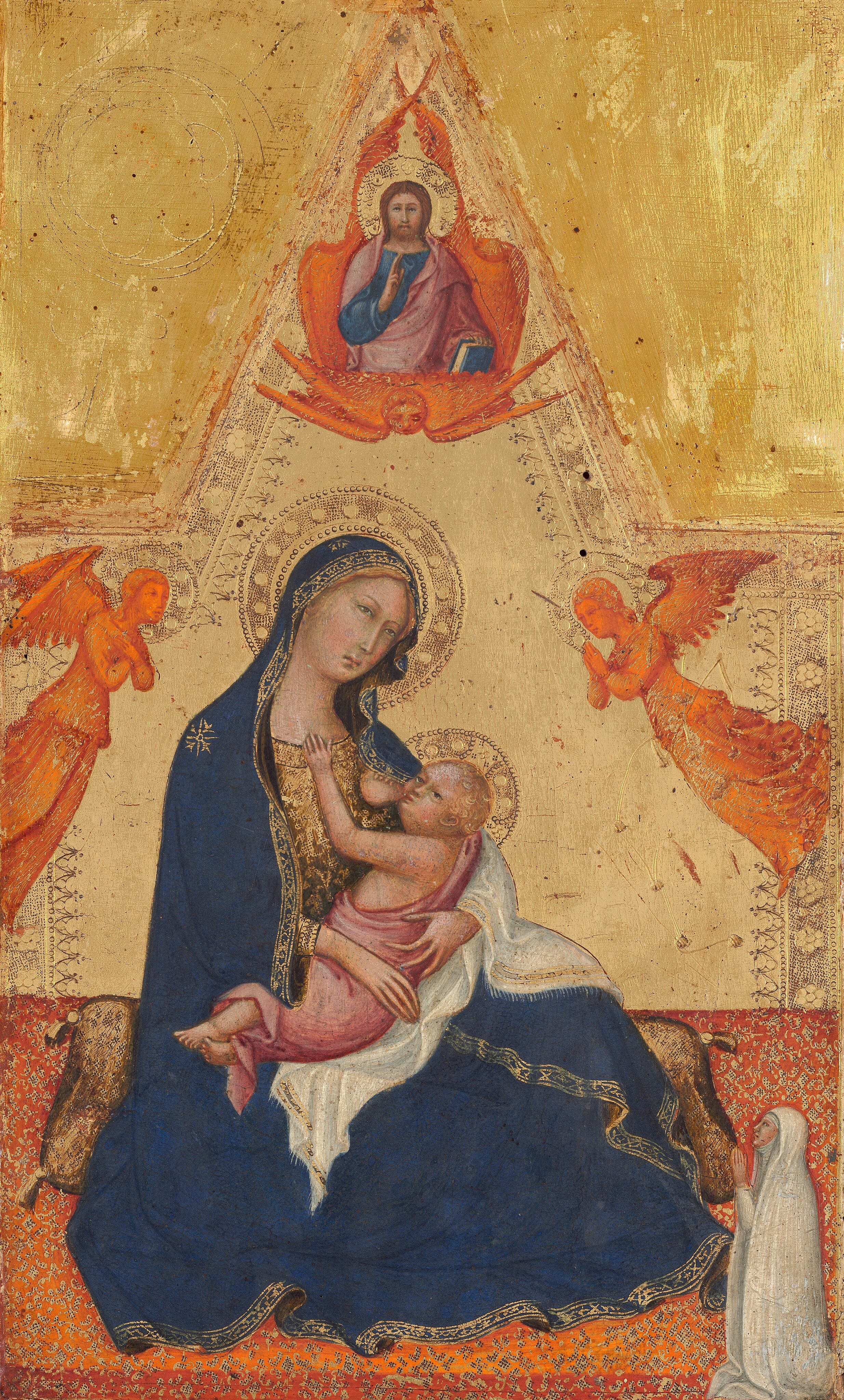
This is a vital lesson for Protestant evangelicals. We often grow nervous around anything that sounds too catholic. Some even warn against praising Mary, as though honoring her obedience somehow diminishes the glory of Christ. That fear is misplaced and unbiblical. Scripture itself honors Mary, and so should we.
Protestants have often minimized her role in the history of redemption. We should not. She is the mother of God incarnate. Luke tells us that Jesus grew in wisdom and stature and in favor with God and man. That growth happened in a home shaped by faithful parents. Mary’s obedience, humility, and submission to God’s will were not incidental. They were formative.
When Jesus later prays in Gethsemane, “Not my will, but Yours be done,” we hear the echo of His mother’s words. When He comes as the Servant who obeys unto death, we see reflected the woman who first said, “Behold, I am the servant of the Lord.”
Mary also bears shame. Pregnancy before marriage in her culture was scandalous and dangerous. Yet she believes the promise. The cost does not outweigh the calling. She trusts that the child she bears will redeem her, and that faith frees her to suffer.
The Leap of Joy and the Shape of Our Living
Elizabeth does not yet know Mary is with child. When Mary greets her, the baby leaps in Elizabeth’s womb. Luke uses a word drawn from Genesis 25, where Jacob and Esau struggle in Rebekah’s womb. John the Baptist is already acting as a forerunner. He announces the Messiah not with words, but with joy.
Elizabeth is then filled with the Holy Spirit and cries aloud. The Greek phrase is megas phōnē—a great voice, a megaphone. Her words are musical, prophetic, and joyful. “Blessed are you among women,” she sings, “and blessed is the fruit of your womb.” She asks the pivotal question: “Why is this granted to me, that the mother of my Lord should come to me?”
John leaps because of Advent. Elizabeth rejoices because the greater David is coming. Mary bears the King of kings. The Creator becomes a creature. The unapproachable One draws near in humility. This is the magnitude of the Incarnation.
So how shall we live?
Mary does not keep this joy to herself. She goes with haste to Elizabeth. Matthew Henry notes that those in whom grace has begun should seek fellowship with others who share that grace. God’s mysteries are clarified in community.
It is not until Mary communes with another believer that the weight of God’s work begins to make sense.
This is difficult for some. Community requires movement, conversation, and vulnerability. Yet faith was never designed to be hoarded. Advent presses us outward. We carry expectations, anxieties, hopes, and songs, and we learn to share them.
As we approach the final Sunday of Advent, we are led to the Magnificat. Mary sings because Christ is coming. Her song is not sentimental. It topples the proud, humbles the mighty, and fills the hungry with good things.
In the words of Luther’s hymn:
My heart for joy doth leap,
My lips no more can silence keep,
I too must sing, with joyful tongue,
That sweetest ancient cradle song:
Glory to God in highest heaven,
Who unto us His Son hath given!
Our joy is that in Christ’s coming, we too are restored. Every gathering of the saints rehearses that restoration. We greet one another with comfort and joy.
Notation
Thank you all for your gracious reception of these devotionals. Many of them are shorter versions of Advent sermons I have preached in the last 17 years. It’s been a delight to reacquaint myself with my old sermons and refresh their language for a Substack format.
For those who would like to receive an 80% (only $8 a year) discount on my Substack for the next 12 months, you have until the 24th of December.
If you simply do not like to invest in this platform, but would still enjoy access to the special features of The Perspectivalist, please message me on Substack, and I’d love to comp you for a free six months.
Here is a new project for paid subscribers!

This is one of your best. I’m going to have to get a new Commonplace book if you keep this up. So many beautiful, wise, glorious words 🙌.