One common myth is that when the Reformers broke from Rome, they also abandoned liturgical worship. After all, true Protestant worship is spontaneous and unconstrained by liturgical forms. Who needs a bulletin when you have the Spirit? Most evangelicals in America believe that breaking from Rome means breaking from liturgy. Of course, everyone has a liturgy; some are thought through, others are not. And because of this supposed idea of how a Reformed Church should be, many Protestants have ended up with spontaneous and entertainment-driven worship. But here is the irony: before the Reformation, people gathered to be entertained by the Roman Church.
Now they were not entertained by skits and praise bands as many do today. In those days, the priest would take the bread and wine, and it would magically become the substance of Christ’s body. But when the magic was done, the people did not take the bread and wine; only the priest did. The people just sat there and listened as the priest spoke in a language they did not know. It was a sort of passive entertainment.
Do you know how the Reformers reacted to this magical trickery and passive entertainment? The Reformers said, "Enough of this!" The Reformers restored the priesthood of the entire church as a liturgical offering of praise to the Triune God.
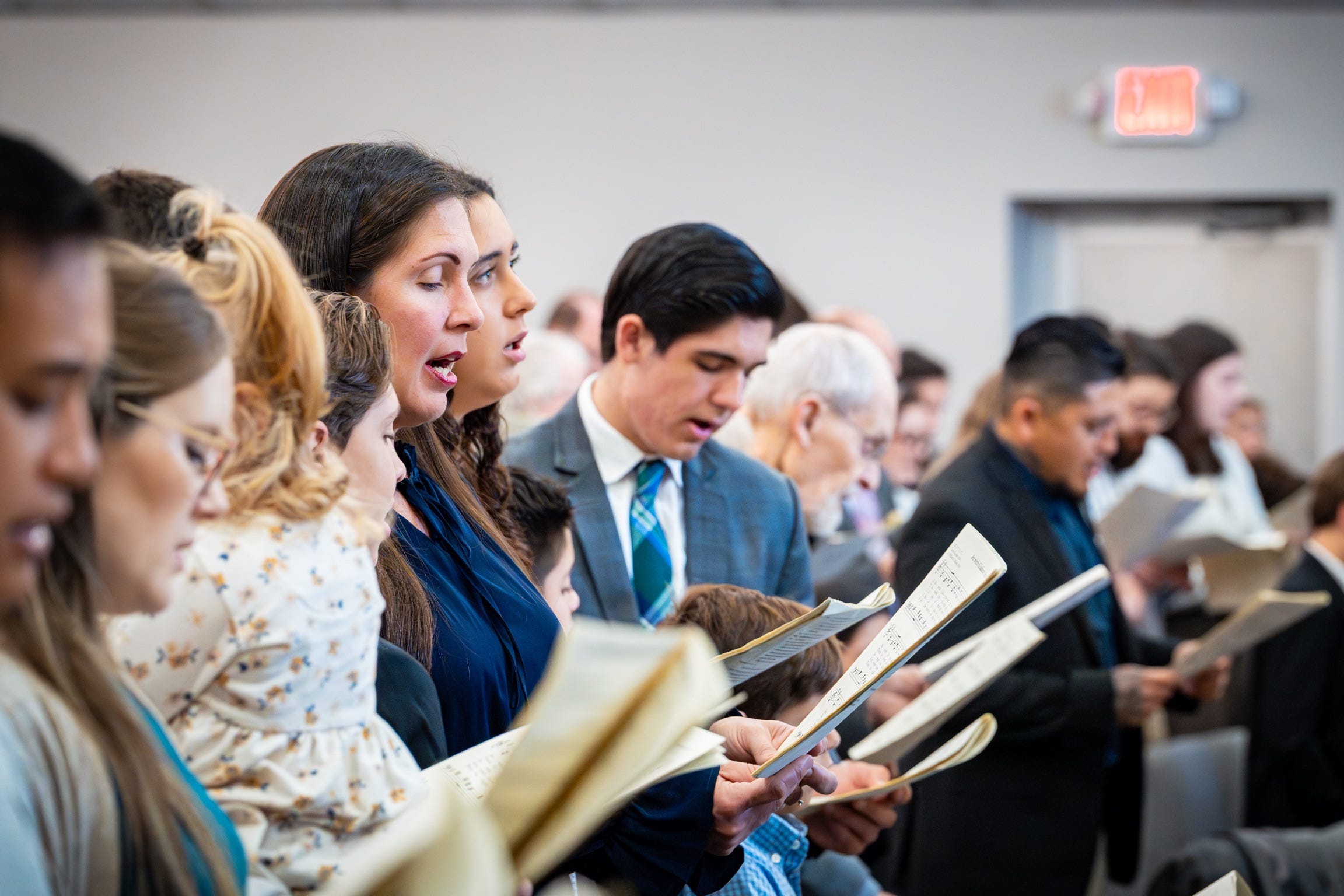
The Reformers insisted that the people, together with the minister, do the work of worship; instead of sitting passively and watching trained musicians or the priest perform a trick, they would become living sacrifices unto God. So, instead of only trained choir musicians singing, the Reformers began training the laity, the common people, to sing. Luther, of course, was a much better-trained musician than most of the Reformers, so he began to compose beautiful music. He trained the congregation to sing robustly, not like monks, but like warriors.
And Calvin, who was not musically gifted, hired a musician to put the psalms into music. So, the passive nature of worship, where only the professionals sing, which is still prevalent today, has much more in common with Roman Catholicism than with Protestantism. The Reformers wanted the congregation involved in the liturgy: in the singing, confessing, and every other part of worship. Therefore, the Reformers did not abandon the liturgy; they corrected the Roman liturgy. Instead of only priests and trained singers being involved in the church, while the people remained silent, the Reformers involved the entire congregation in sacred worship.
Nuntium
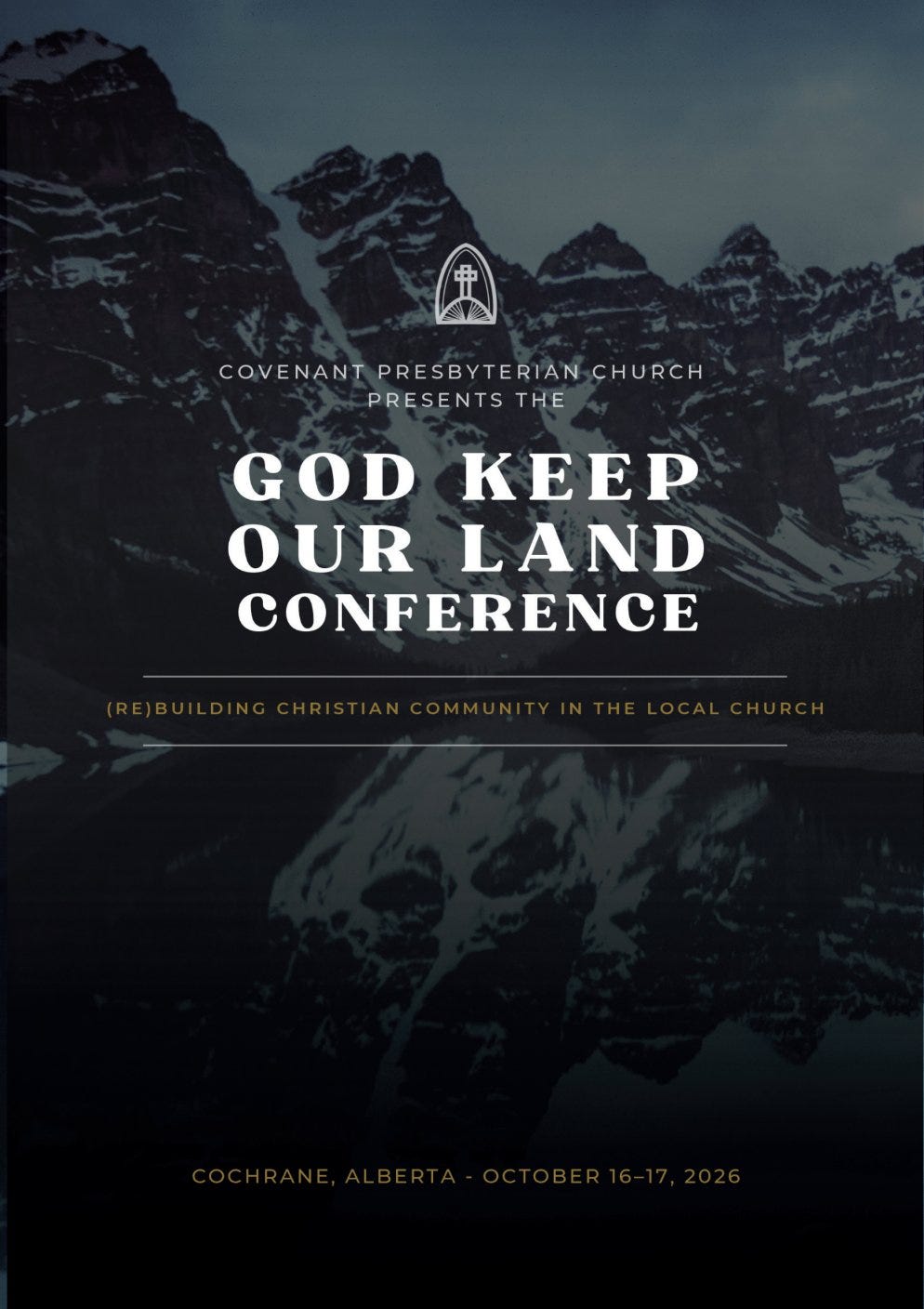
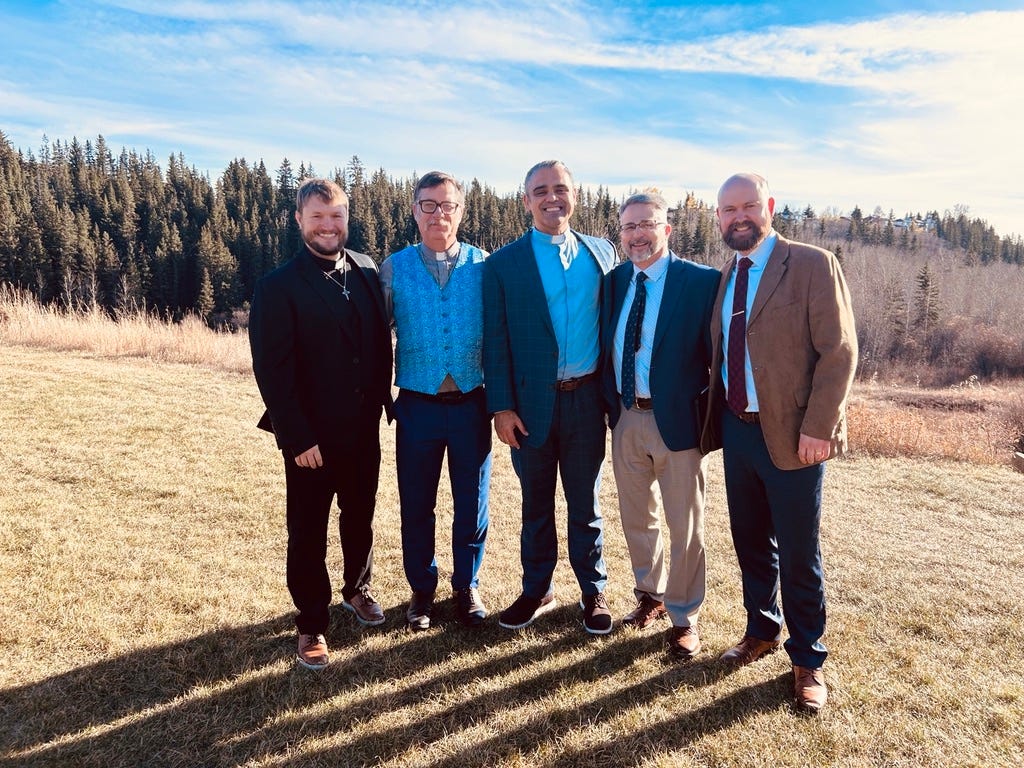
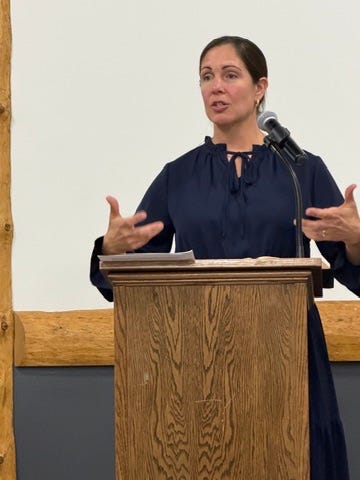
Returning to the U.S. from the great tribe of Albertans is a mixed blessing. We spent such a joyful time with them, and now we return to our duties here in the U.S. with thankful hearts and voices. The conference was splendid, and the theme of rebuilding community amid societal turmoil was especially pertinent as Albertans continue to fight for their independence. I can assure you these folks will not give up, and they will continue to worship the Triune God as they wait for their freedom to be restored from a tyrannical government. We also enjoyed the natural beauty and took advantage of long early-morning walks.
Here are some pics from the conference.