

A Psalm 122 Meditation for Advent
Every year, I prepare myself for the questions about the Church Calendar: Why follow the calendar when we can just follow the Bible? Part of the frustration with these questions comes from forgetting who the Bible is addressed to. Scripture is written to the one, holy, catholic Church: the Church of the Old Covenant and the Church of the New. There are not two peoples of God; there is one people whose story stretches from Abraham to Pentecost. The difference is not in identity but in maturity. The New Covenant Church has received a double portion of the Spirit, yet she still lives by remembrance. She does not abandon the calendar because Jesus is her Head; she keeps it because Jesus is her Head.
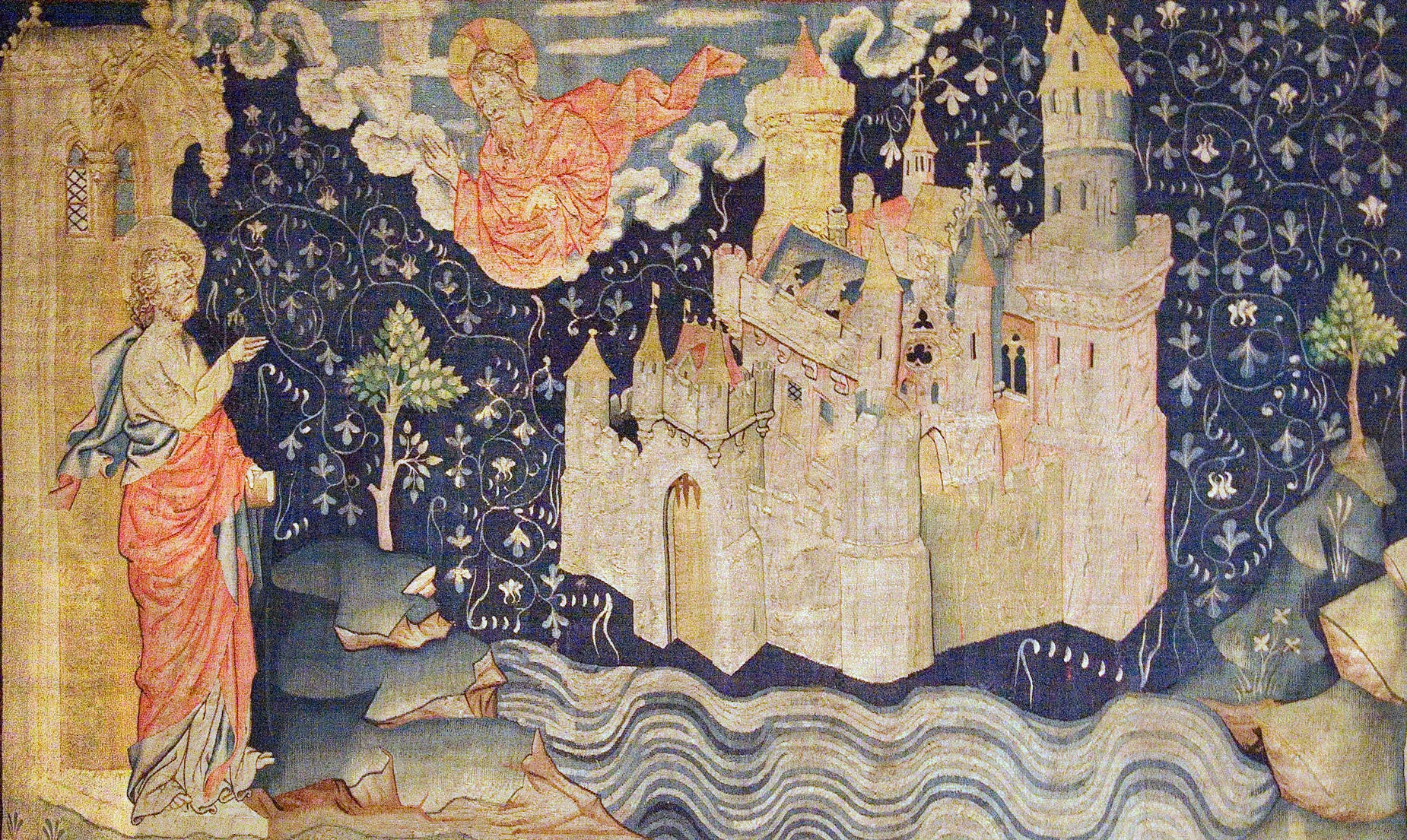
The Church does not exist in a vacuum. She is a body growing in wisdom, a people who memorialize God’s mighty acts. The Calendar tells her story as she acts her role in worship, then in the family, and then in the world. One calendar must take precedence over another. No matter how divisive the political system becomes or how addictive its endless news cycle is, the Lord’s Day eclipses the fights of this world. When the Church gathers, she fights principalities and powers with word, water, bread, and wine.
Yet the modern Church often resembles a collapsing Rick Moranis gag: Honey, I shrunk the Church. We have de-ritualized and de-churched ourselves by forgetting our Lord and the body He married. Psalm 122 confronts this amnesia by reorienting our vision.
Jerusalem, Then and Now
Psalm 122 is one of the Songs of Ascent. In Psalm 120, the pilgrims begin in the wilderness; in Psalm 121, they draw near and seek protection; in Psalm 122, they arrive at the Holy City. Jerusalem was not simply another town. Its name means “habitation of peace.” It was the place of festivals, sacrifice, rest, and renewal. But the New Testament teaches that Jesus fulfilled and transformed the entire system of worship. The sacrifices are gone, yet the language of sacrifice remains. We are now living sacrifices, ascending to God with our bodies and our songs.
Where do Christians ascend? Hebrews 12 says: “You have come to Mount Zion... to the heavenly Jerusalem... to the Church of the firstborn.” Paul calls her “the Jerusalem above, who is our Mother.” The Church is the new temple, the city of God, the heavenly Jerusalem on earth. This is our sacred space.
So, when the psalmist declares, “I was glad when they said to me, ‘Let us go to the house of the Lord,’” he gives us the mood of the true worshiper. Attitude matters. The ancient pilgrim did not mumble or debate whether to go. It was his humanity at stake.
Why You Need the Church, and Why the Church Needs You
So, why must we assemble at this holy Mountain each Lord’s Day? Because the Bible presents a people always going toward God’s presence. The Bible exhorts us to a holy convocation in Leviticus, the breaking of bread in Acts, and a warning in Hebrews not to forsake the assembly. The psalmist’s longing becomes our own. Calvin noted that the prosperity of the Church depended on the people gathering to worship God in purity. If this feels optional to us, it may be because we do not understand how much the Church needs us or how much we need the Church.
The Church needs you: your gifts, your prayers, your voice, your presence. The Calendar is empty without the gathered saints who act out God’s story. And you need the Church: this is where God gives forgiveness, strength, wisdom, and communion with Him and His people. Here we stand within God’s gates, His protective arms.
The Church is the mother of time. Advent is meaningful because time is meaningful. The New Jerusalem, the house of the Lord, brings gladness to the people. She needs you, and you need her. This festal gathering is the world’s true hope, no matter who holds earthly office.
Let us keep the faith.
Let us keep time.
Let us worship the King.