

Time That Shapes God’s People
Advent is a season of expectation and hope for the Christian. It invites us to join the longing of First Century saints and to witness how their expectation is fulfilled in the Person of Jesus Christ. Yet the idea of a church calendar can feel strange to many who grew up in broadly evangelical settings. Why the changes in liturgical colors? Why follow a calendar instead of simply preaching what feels timely? These are good questions. But they lead us to a deeper one: What is the purpose of time, and why does it matter to the Christian life?

Time shapes us. Each of us receives twenty-four hours each day, and how we use them shapes our character. If we habitually show up late, we reveal a certain worldview; if we regularly miss deadlines, we display our relationship to order and discipline. Even Jesus communicated with time-specific clarity: “The time is at hand,” and “these things shall come upon this generation.” Why speak this way unless time truly matters?
A second reason time is important is that it belongs to Christ and His Church. Jesus is the Creator of time. Before the world began, there was no need for clocks or seasons, but when the Word set creation into motion, time began to tick cosmically. We often treat time individualistically—“my schedule, my pace, my way”—but God gives time to His Son, and the Son beautifies His Bride by giving her time to mature, remember, and rejoice. So the Church listened to her Bridegroom and fashioned her life around a sacred calendar. We share the Fourth of July with Americans alone, but Easter with Christians in Iran, China, Kenya, and every century of the Church’s life. This is no small thing.
So, as we journey to Christmas morn, how can we restore a sense of holy time? How do we prioritize gratitude over the rush of Amazon purchases and last-minute arrangements?
Time teaches us that there is a season to weep, a season to rejoice, and a season to give thanks—and Advent prepares us to enter them faithfully.
Liturgy as Friendship in Action
N. T. Wright reminds us that “good Christian liturgy is friendship in action.” It is the covenant relationship between God and His people expressed, rehearsed, and lived. What makes that friendship grow? Regular practice. Confession. Songs. Prayers. Over time, these shape us into people who recognize God’s ways in the world. But how do these practices connect to Advent?
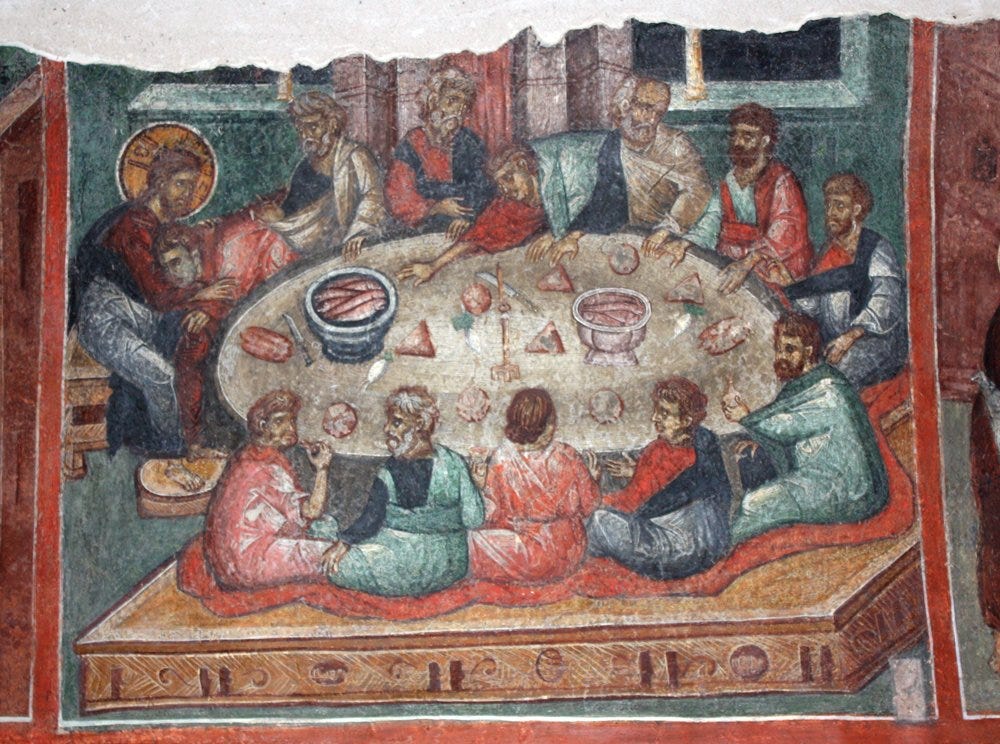
The more invested we are in liturgy—truly present, deeply engaged—the more we come to love Christ. Friendship requires effort. Likewise, worship requires intention. You cannot grow as a worshiper without giving your heart, mind, and body to the rhythms of the Church. So what does time teach us? That worship is not a Sunday escape but a lifelong formation: a divine shaping of our desires, habits, and prayers.
This leads us naturally to Paul’s counsel to Timothy regarding worship. How are pastors to lead the church when it gathers? And how does this leadership shape the gratitude and prayerfulness of the congregation?
The Priority of Prayer
Paul tells Timothy that the first priority in public worship is prayer. Why is prayer “first of all”? Because prayer changes us, and through us, it changes the world. As Kierkegaard said, “The function of prayer is not to influence God, but to change the nature of the one who prays.” We pray because we become different as a result of it, and therefore, it becomes central to the formation of the Christian.
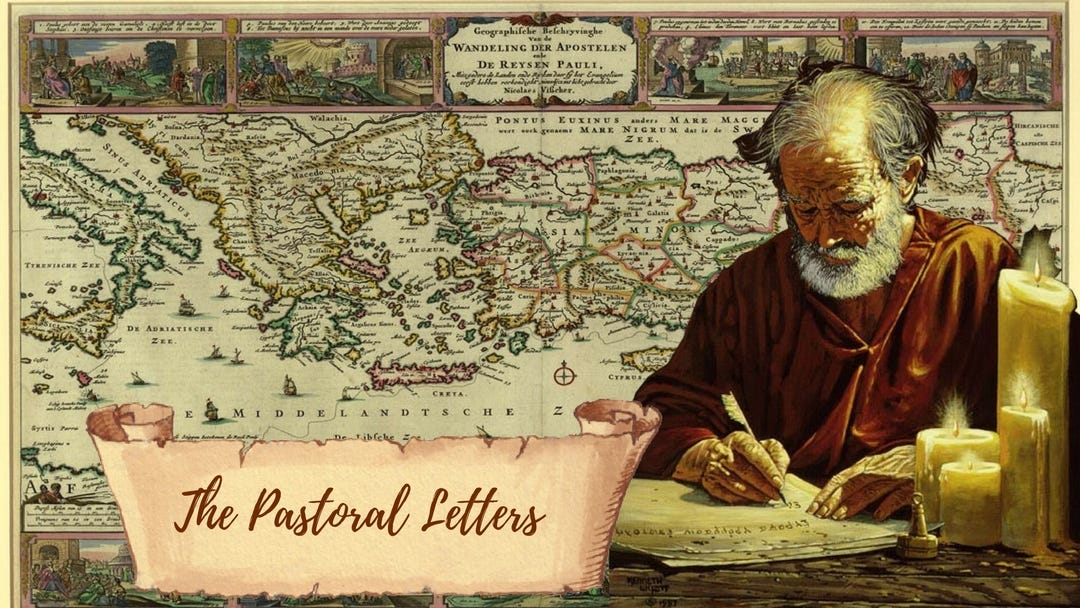
Paul’s vocabulary teaches depth, and in Advent, this depth becomes even clearer. He then moves to supplications, which are specific petitions—we bring detailed needs to a God who cares about details. Advent invites us to bring not only our general hopes but the hidden longings we carry into this season of waiting. Nothing is too small or too fragile for the God who drew near in the flesh.
“Prayer” speaks of kneeling before the King who comes, acknowledging our total dependence on his care and arrival. Advent kneels with us, shaping our posture as those who await the dawn. When we bring our petitions before God, we stand in a waiting posture before the Cross.
“Intercessions” call us to bold appeals on behalf of others: the persecuted church, the suffering, the lonely, the broken. In this season especially, we remember those who long for the appearing of Christ’s light in their darkness.
Thanksgiving, or eucharistias, ties our gratitude to the table of the Lord and to daily life. Advent is not only a season of longing; it is also a season of gratitude for the One who has already come among us. We give thanks because the Child of Mary is also the Lord of Time. Can we wake and sleep with thankfulness in a season that exposes both our need and our hope? Paul says yes. In fact, he insists that this is God’s will for us.
Some churches have lost the pastoral prayer, yet Advent quietly reminds us why we must recover it. The early Church understood that pastors intercede for humanity in the same way Israel’s priests prepared the people for the coming of God. This is deeply Advent-shaped work—standing between God and His people with anticipation in hand.
Public prayer teaches the church how to pray privately, especially in a season where longing becomes liturgical. It widens our vision beyond the hurried timelines and frantic lists of December. It slows us down and pulls our attention upward. It anchors us to the global Church—waiting with us, praying with us, longing with us.
Nuntium
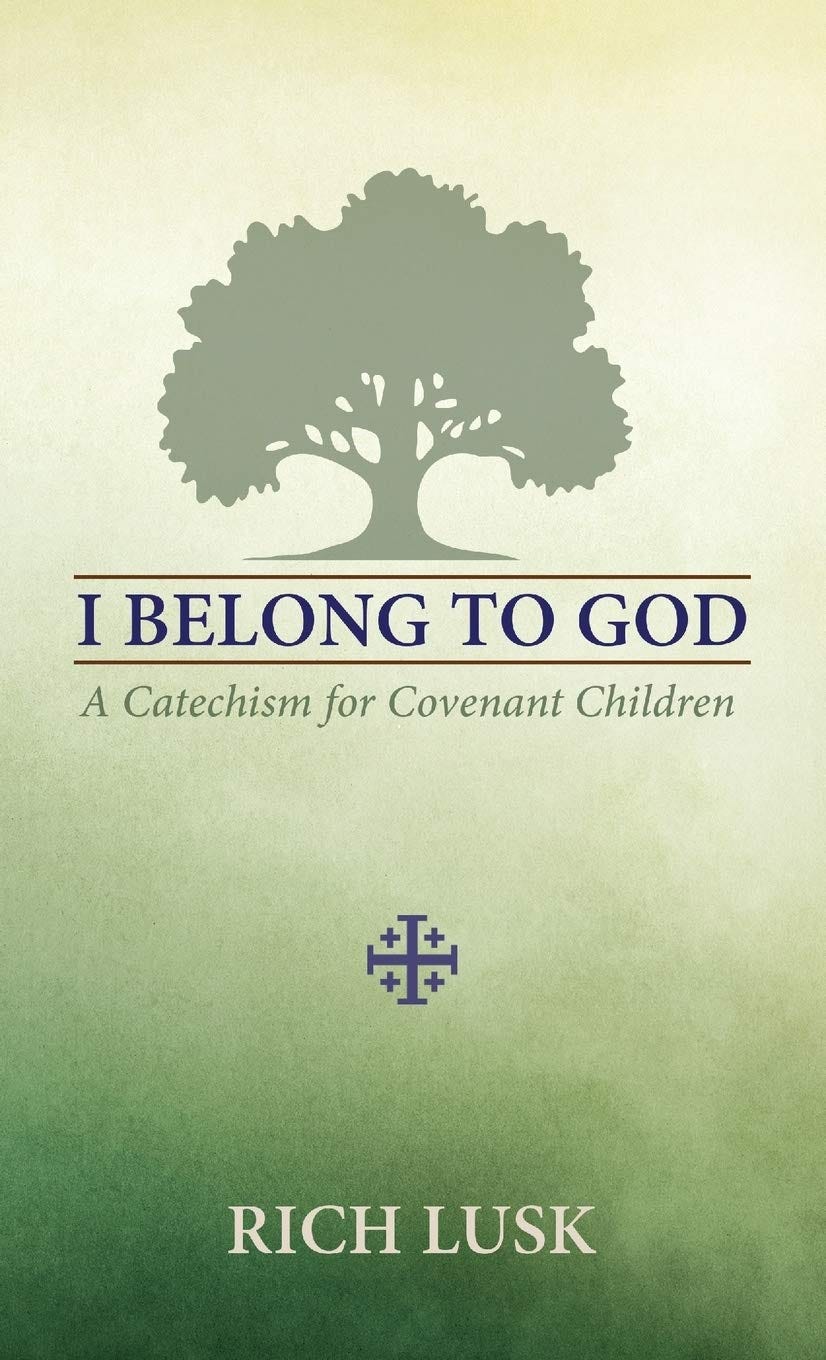
I am thrilled to inform you that I now have 19 songs recorded from the Catechism for Children, produced by my good friend, Rich Lusk. It is in Dropbox for all paid subscribers. If you are a paid subscriber, please send me a note, and I will add you to the Catechism file.
I would like to have access to the catechism Dropbox, please. Will there ever be a study guide or teaching helps?
Hi Pastor Brito,
I'd love to be be added to the catechism Dropbox list.
My email is: susanb45@gmail.com
Thank you so much!