

The Romance and Reality of the Early Church
Christians often speak with great affection about a desire to “return to the first-century church.” The sentiment is sincere and well-intentioned. It evokes images of early believers devoted to fellowship, prayer, shared meals, and a common life shaped by worship. The book of Acts gives us this picture of post-Pentecost vitality, a kind of liturgy of life in which faith overflowed naturally into daily habits. This vision is attractive precisely because it feels pure, organic, and unencumbered by later complications.
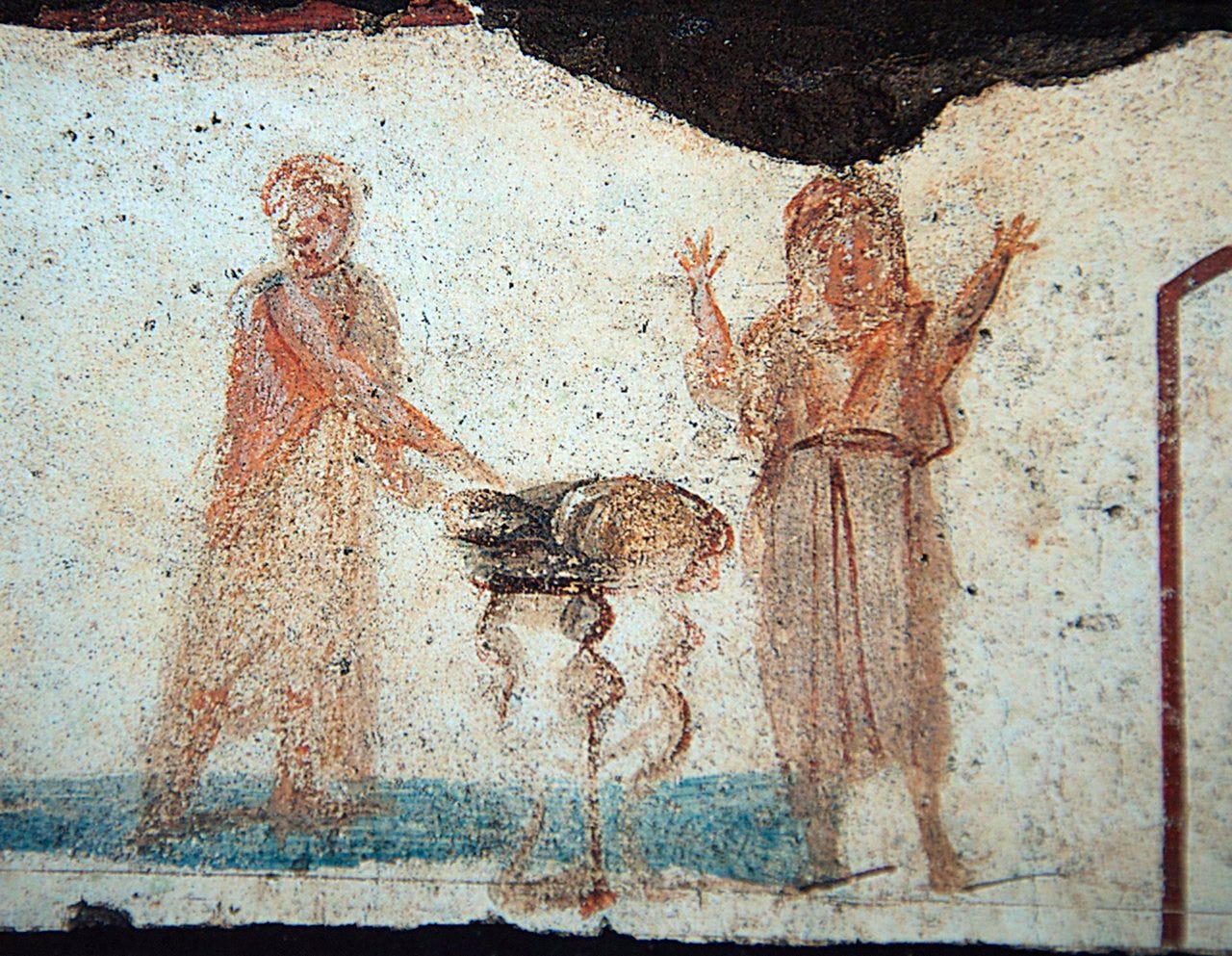
Yet this romantic portrait frequently forgets the fuller context of the early church. The first-century church was not a pristine utopia. Alongside devotion and generosity were persecution, confusion, immaturity, and even scandal. There were Christians ignorant of basic worship practices, moral failures that shocked the apostolic community, abuses of church resources, and divine judgments that remind us how seriously God takes His holiness. When we idealize the early church, we often overlook these realities and imagine a community that never truly existed.
The Infant Church and the Experiment of Grace
The New Testament itself refers to the early church as an infant church, and infants, by definition, require patience, instruction, and correction. The first-century congregation was an experiment in grace, learning how to walk faithfully amid ethical, theological, and practical dilemmas. These struggles did not surprise the apostles; they prompted them to write letters of instruction and rebuke. Few letters make this clearer than Paul’s first epistle to the Corinthians.
If one longs to imitate the early church without qualification, a careful reading of I Corinthians quickly shatters any romantic illusion. What begins as an idealized vision becomes something closer to a spiritual horror story. The Corinthian church was riddled with divisions, sexual immorality, lawsuits among believers, confusion about spiritual gifts, disorder in worship, and misunderstandings of the resurrection. Paul did not write to commend their creativity or enthusiasm but to correct their chaos.
This raises an important question: why did Paul devote fourteen chapters to correction rather than encouragement? Why not simply affirm their zeal and overlook their shortcomings? The answer is found in Paul’s deep concern for the church’s order and health. From chapter 11 through chapter 14, Paul addresses worship practices, gender roles, speech, silence, prophecy, tongues, and the edification of the body. He concludes this long argument with a simple but profound command: “But all things should be done decently and in order.”
Paul’s jealousy was not personal; it was pastoral and theological. He understood that disorder in worship was not a minor issue but a symptom of deeper confusion. The Corinthians were giving in to cultural pressures, particularly confusion about the roles of the sexes, which was most evident when the church gathered for worship. For Paul, the disorder did not originate in the household or the marketplace, though it affected both. It began in worship, because worship shapes how a people understand themselves, God, and the world.
Confusion in Worship and the Call to Order
The Corinthian church was confused about roles and priorities in worship. They did not know when to speak and when to listen, when to ask questions and when to be silent, or how to conduct themselves when assembled. There was, in effect, a disinformation campaign aimed at worship, and Paul countered it with two governing principles: order and decency.
Before turning to the glories of the resurrection in chapter 15, Paul issues a final rebuke. He asks whether the Corinthians believe they authored God’s Word or received a private version of it. God’s Word and worship are not individualistic possessions; they belong to the corporate body and are given for mutual edification. To reject apostolic instruction is to risk not being recognized by God Himself.
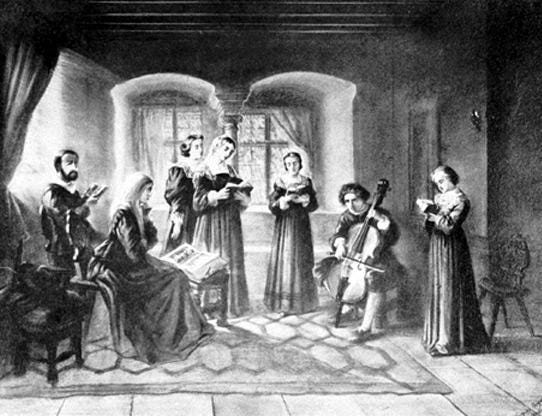
Paul’s language in I Corinthians 14:40 is carefully chosen. The word translated “decently” implies what is fitting, graceful, and externally beautiful. The word translated “in order” refers to a fixed arrangement or sequence, language drawn from Old Testament temple worship. This is not improvisational worship or experimentation for novelty’s sake. It is intentional, patterned, and purposeful.
The Beauty of Repetition and the Danger of Experimentation
Orderly worship carries both external beauty and internal structure. It is not meant to surprise week after week but to cultivate a joyful expectation through repetition. Worship should form us through familiarity, not confusion. One should not arrive on the Lord’s Day wondering what spectacle might unfold. Instead, worship should rehearse the gospel in a consistent and life-giving sequence.
The Corinthians preferred experimentation to obedience. They delighted in spontaneity and personal expression, but this came at the cost of edification and peace. Paul sought to reorder their priorities by reminding them that worship is not self-expression but God-centered formation. Disorder, even when driven by enthusiasm, undermines the very purpose of gathering as the people of God.
Order, Decency, and the Life of the Church
The call to order and decency is not limited to first-century Corinth. It remains vital for the church today. God is building His church by raising up tested and faithful leaders, growing congregations, and deepening commitment to His mission. The goal is not merely numerical growth but a community that externally reflects God’s beauty and internally embodies the gospel’s rhythm.
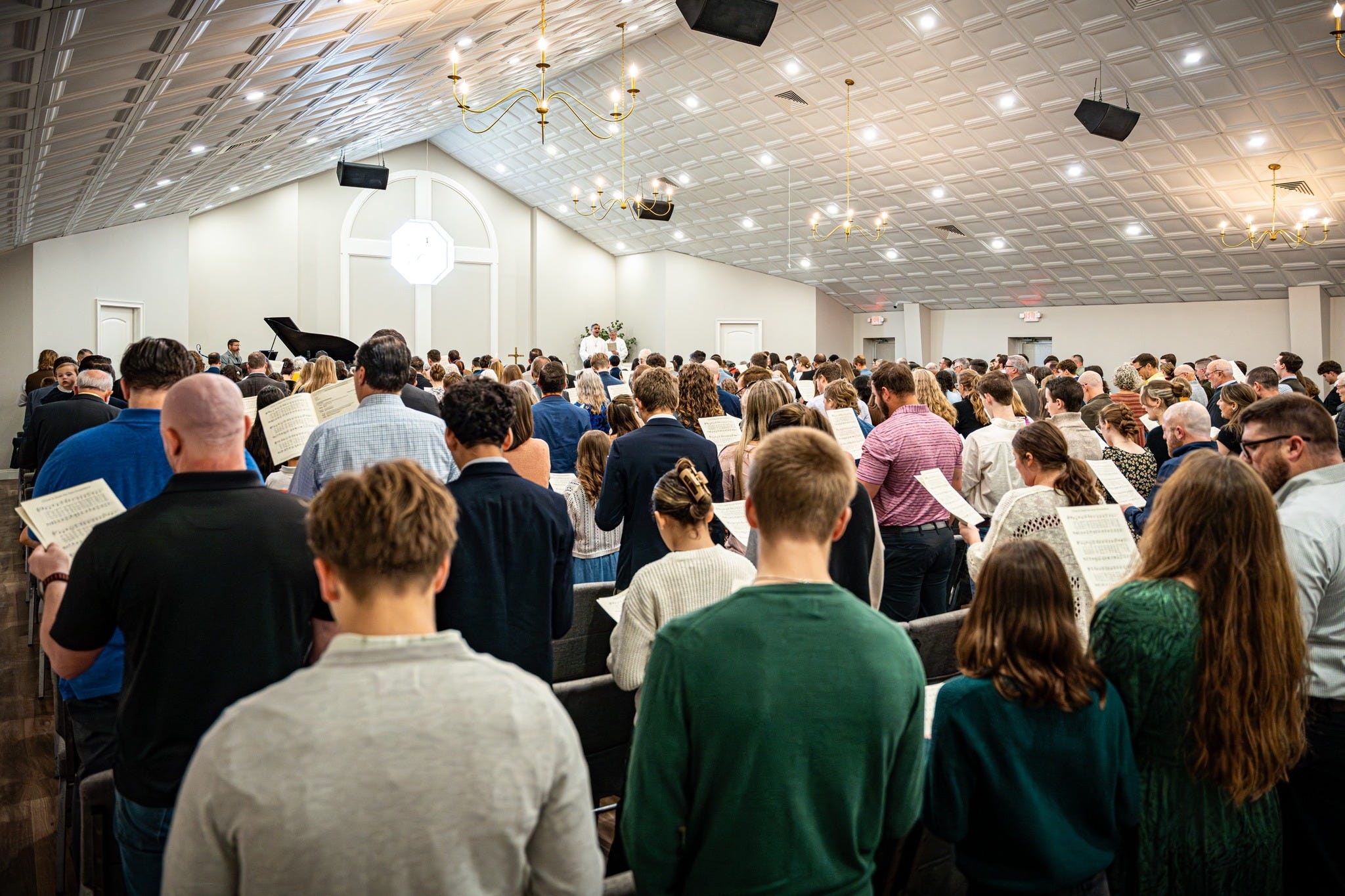
Order and decency must not be confused with lifeless formalism. They are not attempts to revive ancient liturgy as a magical solution. Nor are they opposed to joy, celebration, and laughter. On the contrary, true order forms human beings into rituals of gladness and intentionality. There is a real danger in gaining liturgical correctness while losing the soul through mechanical performance.
The Order of Worship Is the Order of the Gospel
God cares deeply about order because He is a God of order. We do not invent the rules of worship; God gives them. The structure of Christian worship reflects the structure of the gospel itself. We are called into God’s presence, we confess our sins, we are consecrated by His Word, we commune at His Table, and we are commissioned into the world. This sequence is not arbitrary. It is the pattern of the Christian life rehearsed weekly.
Suggestions for novelty or spectacle—however creative—miss the point. Worship is not a platform for entertainment but a means by which God shapes His people. The sameness of worship is not stagnation but stability. It forms us in faithfulness, reverence, and joy.
Worship as the Image of God in Action
God’s concern for worship arises from the fact that human beings are created as worshipers. In worship, we most clearly reflect the image of God. As Robert Rayburn observed, Christians should come to God’s house expecting that everything necessary for life, happiness, and fruitfulness will be given to them there. Worship is not an accessory to the Christian life; it is central to it.
The psalmist’s joy—“I was glad when they said to me, let us go to the house of the Lord”—captures the heart of orderly and decent worship. Such worship calls us into God’s holy presence with festive hearts. Growth that diminishes our love for these things is not true growth at all.
As the church continues in seasons of growth and gladness, the call remains to deepen affection for worship that is ordered and decent, fervent and diligent, consistent and faithful. Order is not the enemy of joy; it is its servant. When worship is shaped by God’s wisdom, it forms a people who delight in Him and carry that delight into every sphere of life. May this vision endure for generations to come.
A spiritual horror story.? "Lord we're not like them."