

Friendship as Sanctification
One way you know you have a good friend is whether after analyzing your relationship over a certain span of time you can detect that he or she has moved you to overcome certain realities (I John 4:4). If, however, you determine that your “friend” has only perpetuated a status of weakness in you and has not sought or encouraged your movement towards the good, true, and beautiful, you have been fooled by a false embrace.
Chesterton once observed that friendship is founded on the joyful discovery that another person sees the same truth you see. Friendship is not merely proximity or shared grievances; it is companionship in pursuit of what is lovely and eternal. There are certain friendships that transgress, let’s say, the boundaries of common courtesy. If those friendships have not made you love the good and the eternal over a period of time, then it’s time to move on to other friendships.
Everyone needs to realize that certain friendships are seasonal. And when I say, “move on,” I don’t mean that you cease to be courteous or kind or congenial, or a basic human being. I mean that the bulk of your investment shifts to others who may provide a deeper life for you at this stage. And we can also say that it’s likely that those former friendships may blossom again in the future. Sometimes these dynamics are cyclical rather than permanent.
So, what’s a true friend like? Well, true friends weep and grieve, but they do not allow you to remain in a state of constant victimization; they do not tolerate your place of despair as a place to be, but a place to flee. Good friends do not offer you rationales to stay where you are because, after all, that’s where other people are. Good friends do not send you texts that encourage more of the same lingering malaise. Good friends do not turn you against people who are growing, but push you towards them.
Friendships are not untouched icons; some are meant to be broken down with the force of an iconoclast. As I have already mentioned, friendships change over time, and sometimes we are the ones who need to make the change. It is true that some friendships endure long distances and differences, but most friendships, especially youthful ones, change. Some will suck your time and energy with vampiric zeal; they will add little and take too much. There are seasons where you are to give more, but you need to determine whether this season has been the entire time frame of your relationship.
Friendship as Mutual Joy
When young folks seek counsel from me about present relationships, I remind them that God moves us from glory to glory, and certain people are fairly committed to not moving along with us; in fact, they want you to stay with them in their misery and apathy. But one of the fundamental means of maturity and wisdom is the gift of friendship. It’s embedded in David’s Psalms, in Paul’s letters, and in the great warnings of Scripture. Chesterton understood this well because he viewed friendship as one of God’s great rebellions against loneliness and meaninglessness. Friendship reminds us that sanctification is not merely private endurance, but more like a shared pilgrimage through life. Others can attest that I am no fan of camping. But I also know that when I camp with friends, even for a day, I return home closer to them in some way.
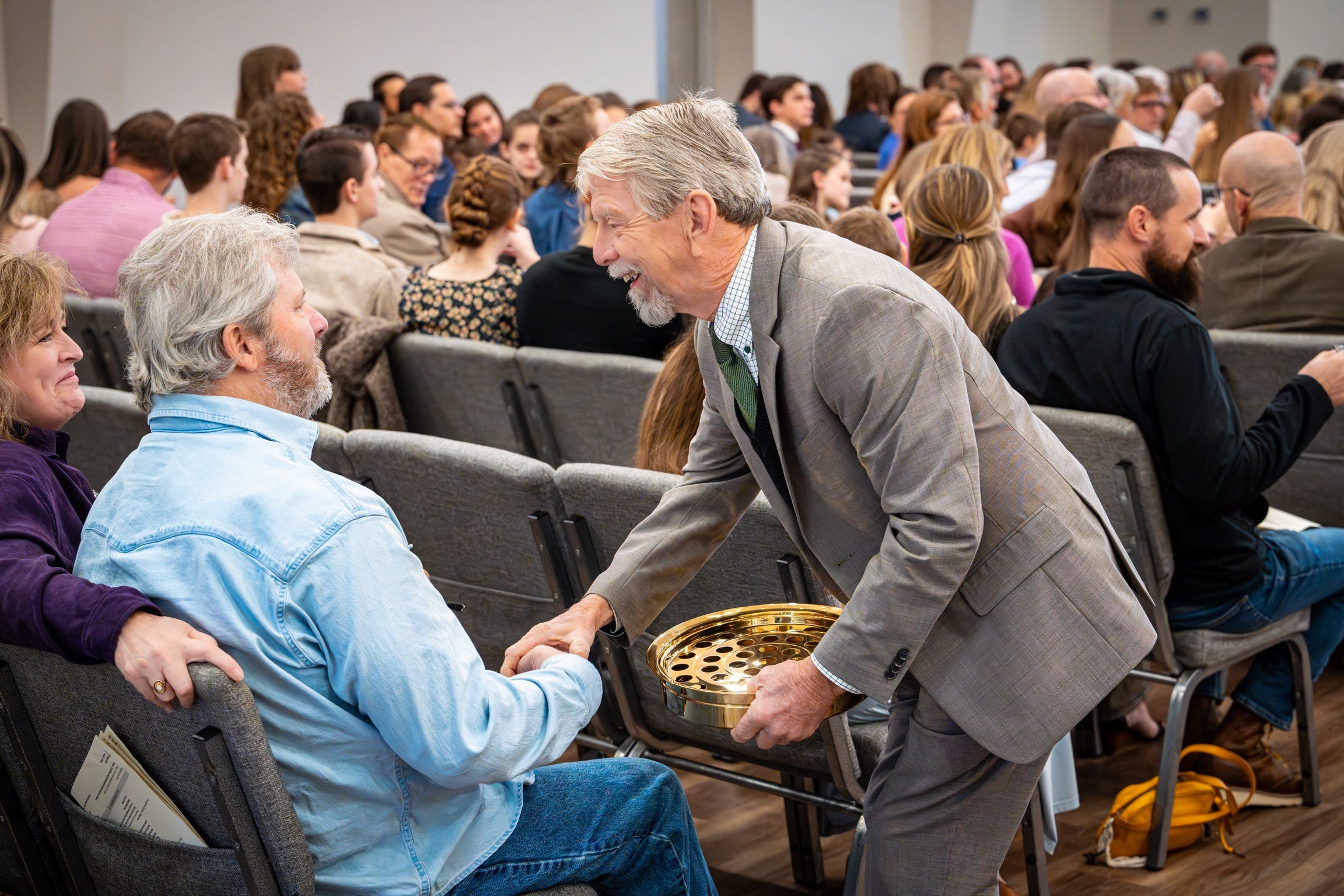
No relationship is as important as your sanctification. Friendships that show little interest in mutual love for the holy are not rooted in God’s view of communion with one another.
If you find yourself in the middle of a relationship where your life is being drained, your spirituality is being stifled, and your zeal is being stolen, reconsider that friendship. Friendships are not atonement experiences where you are the only one called to die and serve. No, Jesus is the only Friend who did that! Friendships are experiences in mutual self-giving. They are meant to offer refreshment through laughter and merriment, as well as tears and sorrow.