

The topic of training the next generation of pastors has been a recurring theme in my mind over the last three years as I have served the CREC. Our denomination continues to grow dramatically, yet we have a dearth of available candidates to assume such congregations. This has led to a host of observations from pastors online. Michael Foster offered this note:
One of the things that makes our ministerial crisis, by which I mean our lack of qualified and prepared pastors and elders, so bad is the reality that some large percentage of the men who are pastors never should’ve been. I think this is especially true in the Reformed world, where a passion for ideas, good memory recall, and technical articulation passes for calling.
It has been my observation that many of these men are gifted but not well suited for the ministry, and that their motive for going into the ministry seems to be validation of their manhood: if they are a pastor, then that proves they are a man.
We have the dual challenge of developing a glorious doctrine of vocation while also raising up the office of pastor and getting more of the right men into it.
The crisis here is real. Many men simply should not enter the pastorate; others may need a season of careful reflection on the nature of the pastoral calling. They may need deeper confirmation of that calling, both externally and internally. If we are to cultivate a new generation of pastors, we will need a new generation of shepherds whose love for books is surpassed only by their love for the people of God.
I read recently a charge that John Murray offered at a pastoral ordination in 1960. It’s simple and to the point, and something worth considering for all those pursuing pastoral ministry:
Oh, be friendly to your people, and be humble. Be clothed with humility for 'God resisteth the proud and giveth grace to the humble.' Be clothed with humility in the pastoral visitations and the pastoral duties that you discharge because, if you are not humble, you will not only be offensive to God, but you will soon become offensive to all discerning people.
Notice the tenderness required of ministers; and also note that the absence of a pastoral love for the people will be “offensive to all discerning people.” The old adage that people can forgive a bad sermon, but they will not forgive a bad pastor is relatively accurate. But I think a more fruitful way of saying this is that good pastors rarely preach bad sermons. They know their people, and the text is shaped by their pastoral affection for them.
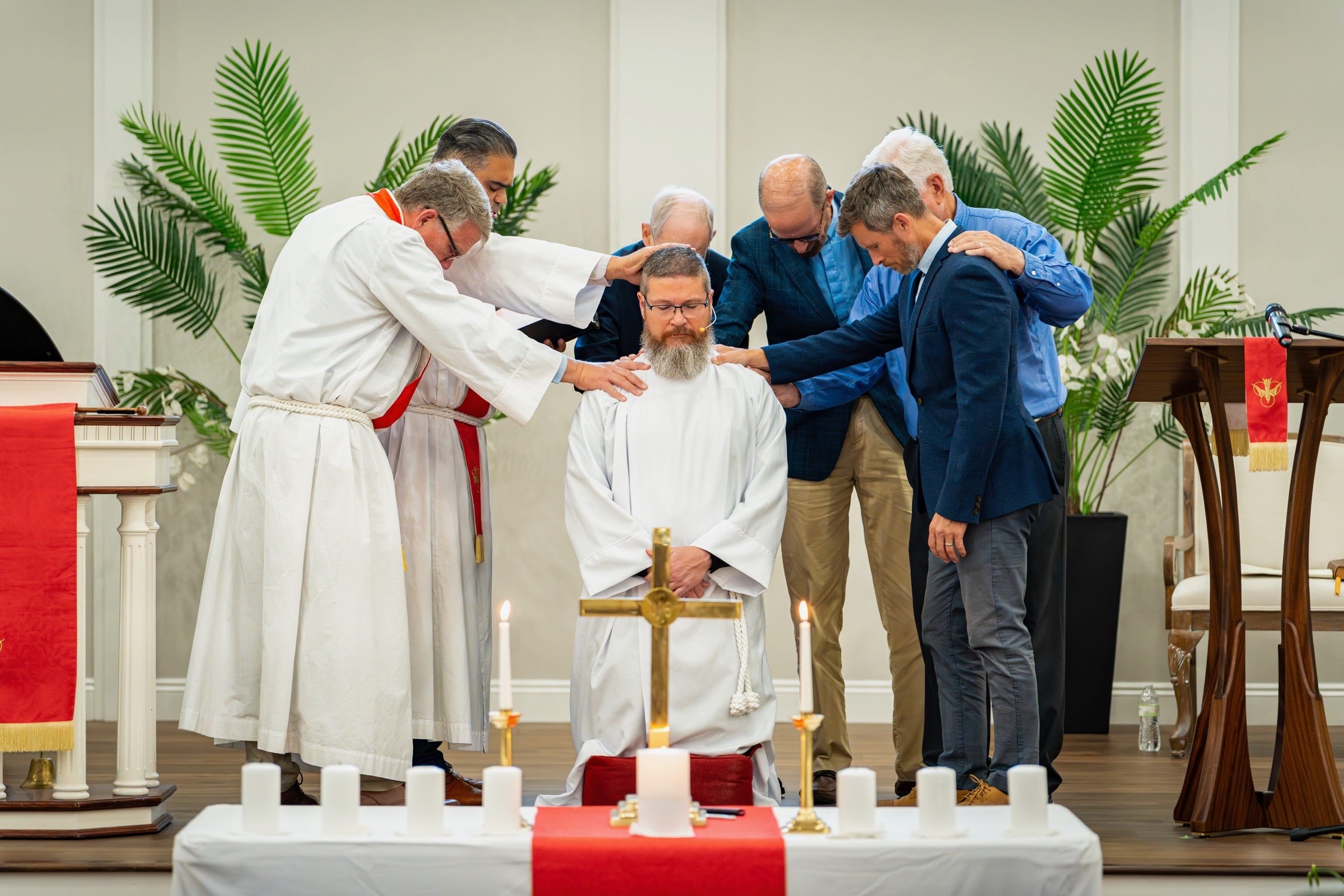
I have written elsewhere about the significance of sermon manuscripts, and in some small measure, I believe that sermons are theological manuscripting through our people’s lives, questions, and concerns. We theologize on the basis of our pastoral labors among them. We don’t theologize in the absence of God’s people; we theology in their midst. Theology is the application of the Holy Scriptures fleshed out in the ecclesial life.
For the church to rebuild a wealthy reservoir of pastoral candidates in the future, we need to cultivate a sense of calling to ministry among our young men. In our attempts to desacralize the pastoral call and place it on equal footing with every other vocation, we have inadvertently diminished the noble work of shepherding God’s people and disincentivized the pursuit of serious theological and pastoral training. This is not to denigrate other callings (shoemakers are good) but to recover a proper esteem for the pastoral office with its weighty responsibilities, costly demands, and profound privilege.
I firmly believe the church should once again encourage qualified young men to consider whether God may be calling them to give their lives to preaching the Word, administering the sacraments, and caring for the souls of his people. The Church needs a new generation of sons of God who will go forth to war for the sake of the kingdom with bread and wine and Word
Nuntium
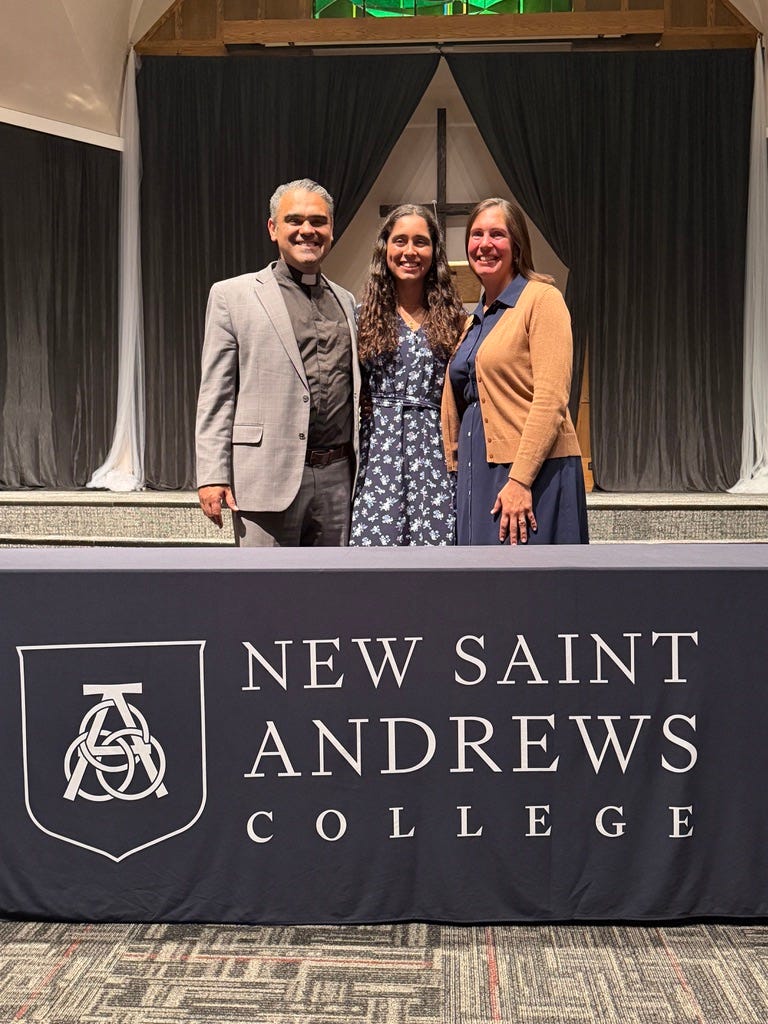
We have just returned from Moscow, ID. Apart from a host of CREC meetings and a fruitful NSA Board meeting, we also bid a temporary adieu to my favorite daughter. My first-born is now in the northenest region of the north; on the south side of Canada; in the great Palouse. While tears were shed, hopefulness prevails. It’s hard to imagine a more glorious place of Christian life and festivity, and an abundance of scholars who treasure the life of the body and who instruct for the sake of the greater good of their students.
Notations
The Influence of Postmillennialism
As recently as thirty years ago, postmillennialists were often dismissed as an obscure sect of utopian theologians. There may have been a scattering of Reconstructionists and the occasional Puritan remnant, a minority within a minority.
Today, postmillennial convictions are helping to shape denominations such as the CREC, institutions such as NSA and ACCS, and families through the homeschooling movement and the development of Christian curricula.
The postmillennial hope is not utopian fantasy; it is confidence in the creational pattern by which Christ, through his gospel, sanctifies peoples, cultures, and societies
Praying like David
Nota Bene
“Courage is almost a contradiction in terms. It means a strong desire to live taking the form of a readiness to die.”
– “The Paradoxes of Christianity,” Orthodoxy by G.K. Chesterton