

I am working on revising my little work on fatherhood, published eleven years ago. It’s a rewarding and humbling process, especially seeing how my writing has evolved and how much more clearly I understand things now, after 18 years as a father. I hope subscribers enjoy these revisions, which will eventually be republished with additional chapters (including one on the Singing Father). All paid subscribers will receive a PDF copy of the revised book once it is complete, and I hope to send several physical copies as well.
If you would like to follow the progress, here is the revised introduction, chapter one on “Fatherhood as Divine Imitation,” chapter two, entitled “Glad Fathers and Glad Sons,” chapter three on “The Proverbial Father,” chapter four on “The Environment of Wisdom for Fatherhood,” chapter five on “The Role of Fathers in Life and Death,” and chapter six on “The Running Father.”
If you're not a paid subscriber, I’d be happy to comp you for 90 days so you can follow along. Send me your email via Substack.
Chapter Seven
“Good Christian liturgy is friendship in action, love taking thought, the covenant relationship between God and his people not simply discovered and celebrated like the sudden meeting of friends, exciting and worthwhile though that is, but thought through and relished, planned and prepared – an ultimately better way for the relationship to grow and at the same time a way of demonstrating what the relationship is all about.” - N.T. Wright
The Nature of Liturgy: God’s Service to His People
Liturgy is grounded in acts. Every act leads to another act. In liturgy, skipping to a meal before being cleansed (the washing of hands) is improper. Liturgy requires table manners because it shapes us. The word liturgy itself refers to the “work of the people.” Theologically, however, what happens in worship in the gathered assembly is not so much our work, but “the continuation of the service of the ascended Lord Jesus for His people.” We can say that liturgy is the work of God on our behalf, or as theologian Jeff Meyers puts it, “It is God’s service to us.”
In particular, the Lord’s Day liturgy forms us into obedient children of the Most High God. God's service in forgiving us and ministering to us in Word and Sacrament re-orients our duties throughout the week. The goal of biblical liturgy is to make us vessels of the gospel as parents and children. Liturgy is order and decency (I Cor. 14:40). This is one reason structure is so crucial to the Church and, more to the point, one reason structure is so significant to the life of the home. A home without structure lacks a well-thought-out liturgy.
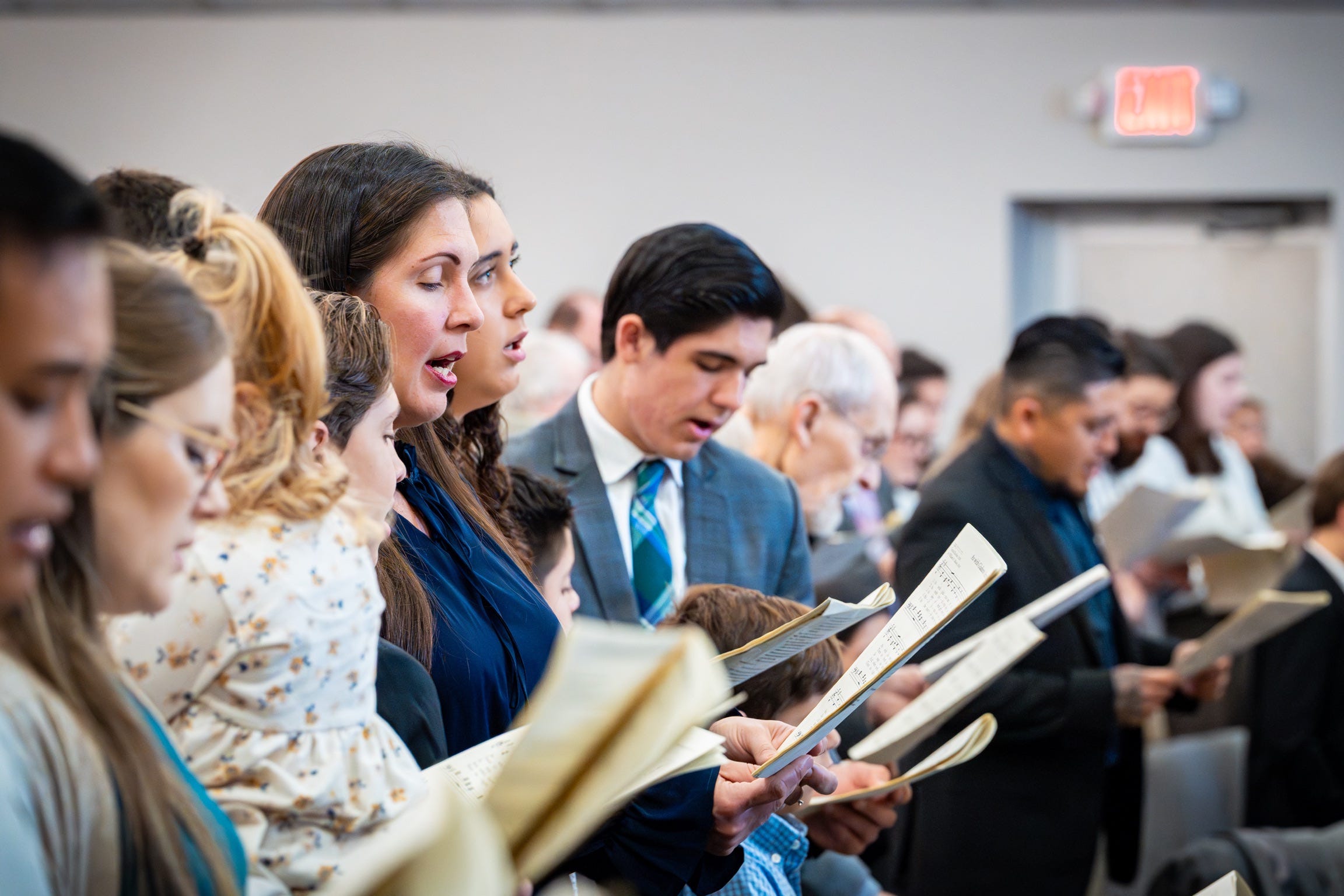
I am not advocating perfection. Any parent who has been a parent for any amount of time knows that there is always work to be done. Parenting does not operate within a 9–5 boundary marker. Perfection is not the goal; persuading your children to be participants in this liturgy is.
This is why, before anything else, it is important to grasp the nature of liturgy. Its nature will indicate its purpose. The liturgy of the people of God is a holy one, and those principles that are generally fixed as we gather as God’s family are principles that can be applied to our homes as well.
Liturgy and the Act of Discipline
Worship establishes patterns of behavior. In broad categories, we could summarize the nature of worship in three acts: first, we are cleansed; then we are consecrated; and finally, we are commissioned. This is a synopsis of a covenant renewal model. But when we apply this pattern to child-rearing, it also offers an edifying method of discipline. The covenant is universal in application.
First, once we are in God’s presence, liturgy demands cleansing. Children need to understand that they have sinned against God (Ps. 51) and against one another. They need to confess and be cleansed (I Jn. 1:9). The ability of children to understand sin is far greater than we often imagine. This cleansing process presupposes that all sin is communal. No sin affects only the self. Even if one commits sin privately, that sin still shapes the individual and their actions toward others. Children are born and baptized for the sake of incorporation. The individualist believes his sins remain isolated. But sin in the home disrupts the peace of the house. When sins are treated as isolated consequences, divorced from the household’s ethos, parents develop a faulty view of discipline.
Second, when sins are repented of, children need instruction in what that repentance entails. This is the consecration portion of the liturgy. Just as God’s people are called to submit to the spoken Word and act upon it, so children are to submit to the spoken word in the home. The father instructs for renewal. When a son sins, a father’s response should not be to hastily discipline him and move on. Rather, it is incumbent upon him to explain briefly how the child’s sin affects those around him, how his selfishness provided a poor example for his siblings, and how his ungratefulness trivializes the generosity of God toward his family.
When a child sins, he needs to see his actions in the context of his community. His sins are not merely exposed, but explained within a broader framework than himself.
Parenting as a Liturgical Formation
The task of parenting, then, follows in teaching. This is didactic parenting. All parents are home educators in one way or another. As noted, discipline must be followed by explanation. Discipline and instruction must go hand in hand, especially when dealing with young children. Instruction must be age-appropriate and biblically saturated, even if a verse is not quoted verbatim. The language and principles of Scripture should permeate parental instruction.
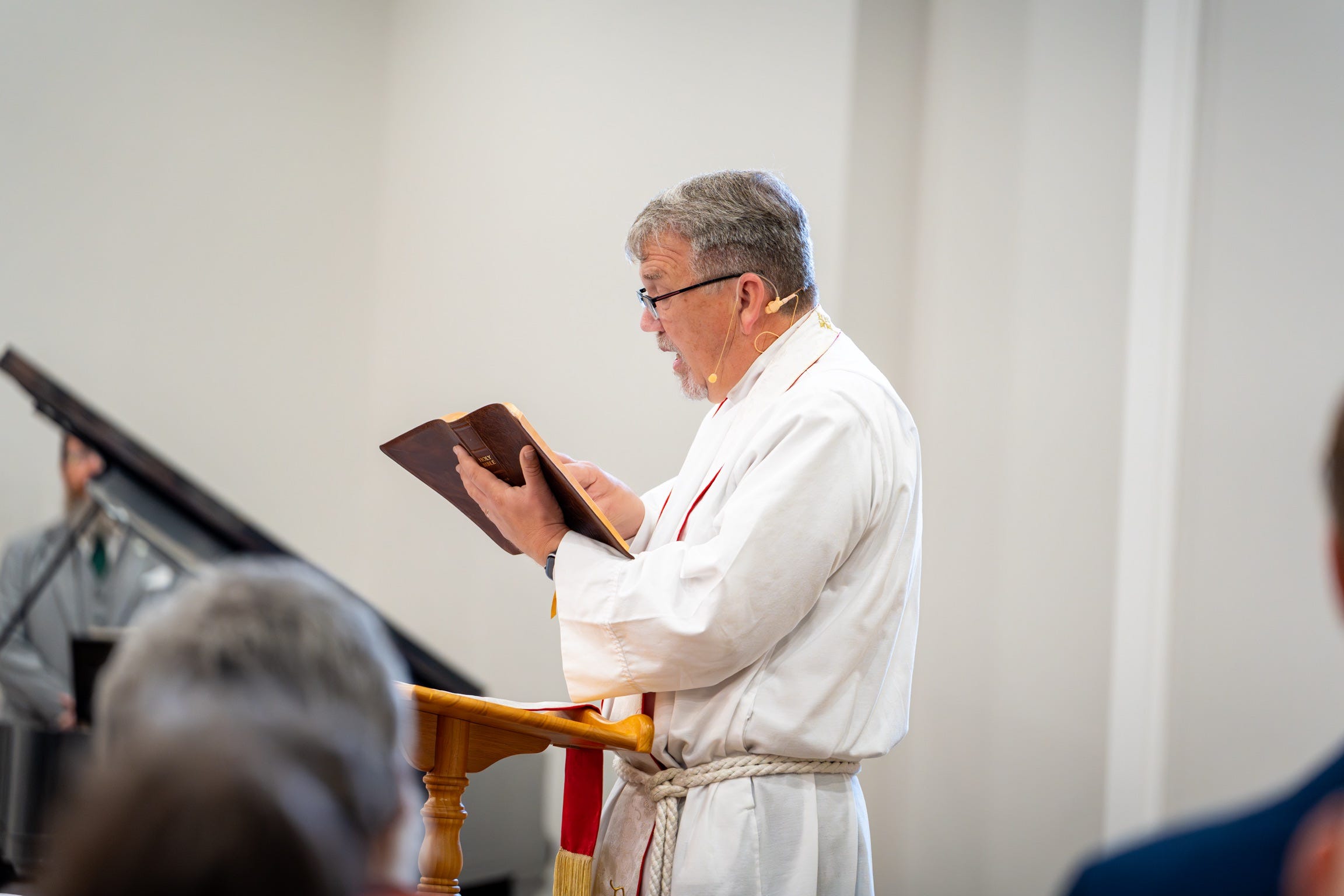
This is an area where fathers sometimes fail to tread carefully. The Bible is not a magic book. It is not given to parents as a tool to abuse, but as a means of renewal. When Scripture is used flippantly or as a weapon, children may grow to resent the Word of the Lord rather than cherish its admonitions. Teaching, therefore, must be done calmly and with great patience. Often, our children’s impatience reveals our own. Likewise, impatience in instruction reveals a deeper reluctance to teach. If we are unable to explain the consequences of sin to the least of these, how will we explain the consequences of sin to those more mature?
Alongside instruction, parents must communicate love. The Christian faith is holistic. Consecration is not merely an intellectual exercise; it is an exercise in encouragement and edification. If we end only in the didactic, we risk training children to respond mechanically rather than sincerely. Ultimately, we are not merely teaching children to know the law, but to love it.
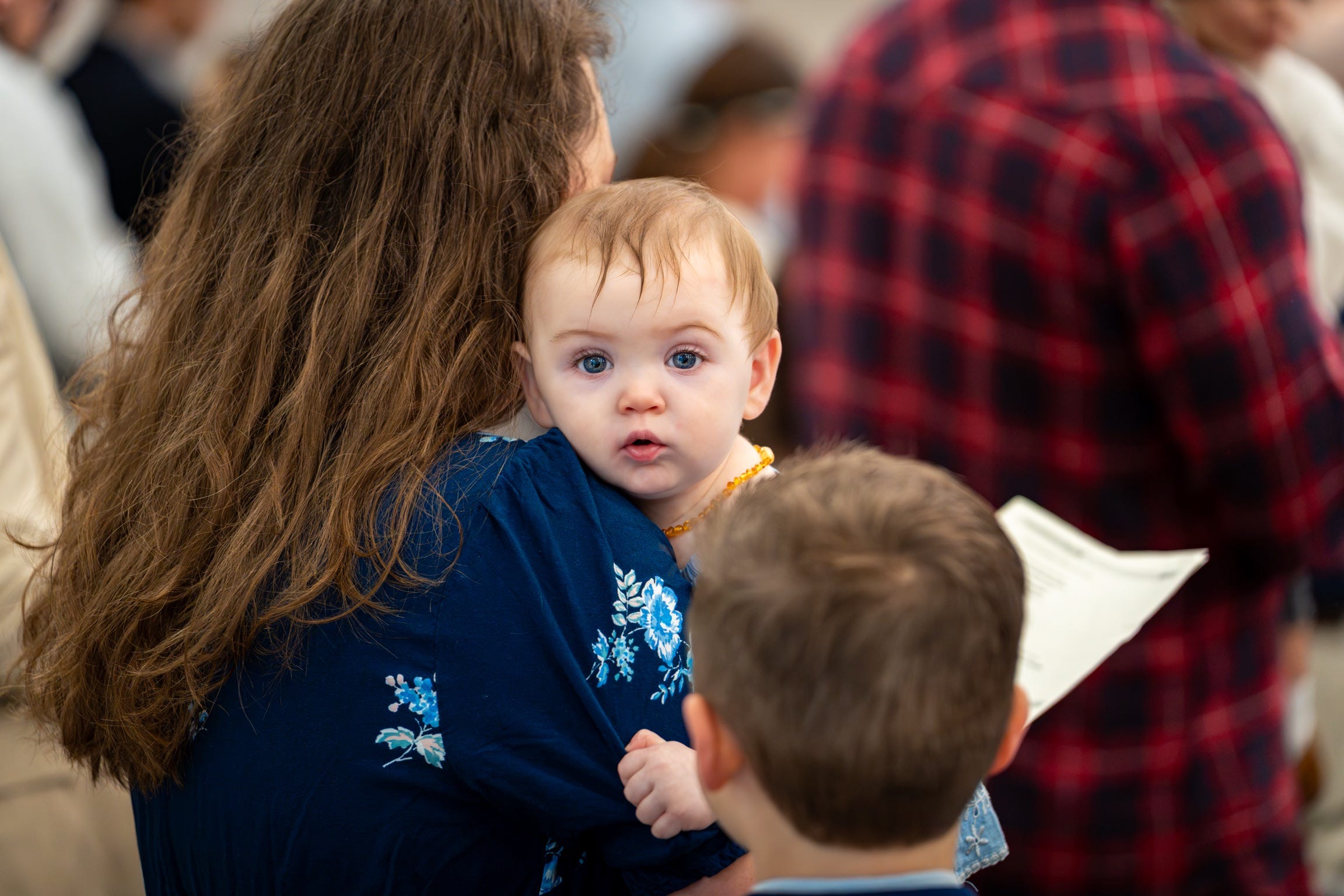
This communication of love is often assumed within instruction, yet parents sometimes forget that physical affection must follow verbal correction. Children must feel both our presence and our affection. Word and Sacrament belong together because God never completes His service to us without feeding us. When a child is fed, he is reminded of the father’s provision and security. Our Lord comforted His disciples when He commissioned them. Even at His ascension, He sent His Spirit to dwell within us. The Trinitarian pattern is to instruct and then comfort the saints.
Similarly, parents must hug, kiss, and show their children that parental training involves more than words. It involves actions—actions that leave lasting impressions as children are commissioned to fulfill their callings day by day.
Finally, the parenting liturgy concludes with commission. The parent, having cleansed and instructed the child, sends him out to “go and sin no more.” This commission flows naturally from the steps that precede it. Commissioning calls us to reconciliation with the world, beginning in the household. Luke 2:52 says that Jesus grew in favor with God and man. When we confess sins, we are not only restored before God but also called to reconcile with one another. We grow in favor with the members of the household. In this way, children are trained to be ambassadors of peace.
Parenting is always liturgical. A make-it-up-as-you-go liturgy will negatively affect the home's liturgy. Every child needs structure—not a rigid, unchanging one, but a foundational one. Liturgy is nothing more than the structure of life.
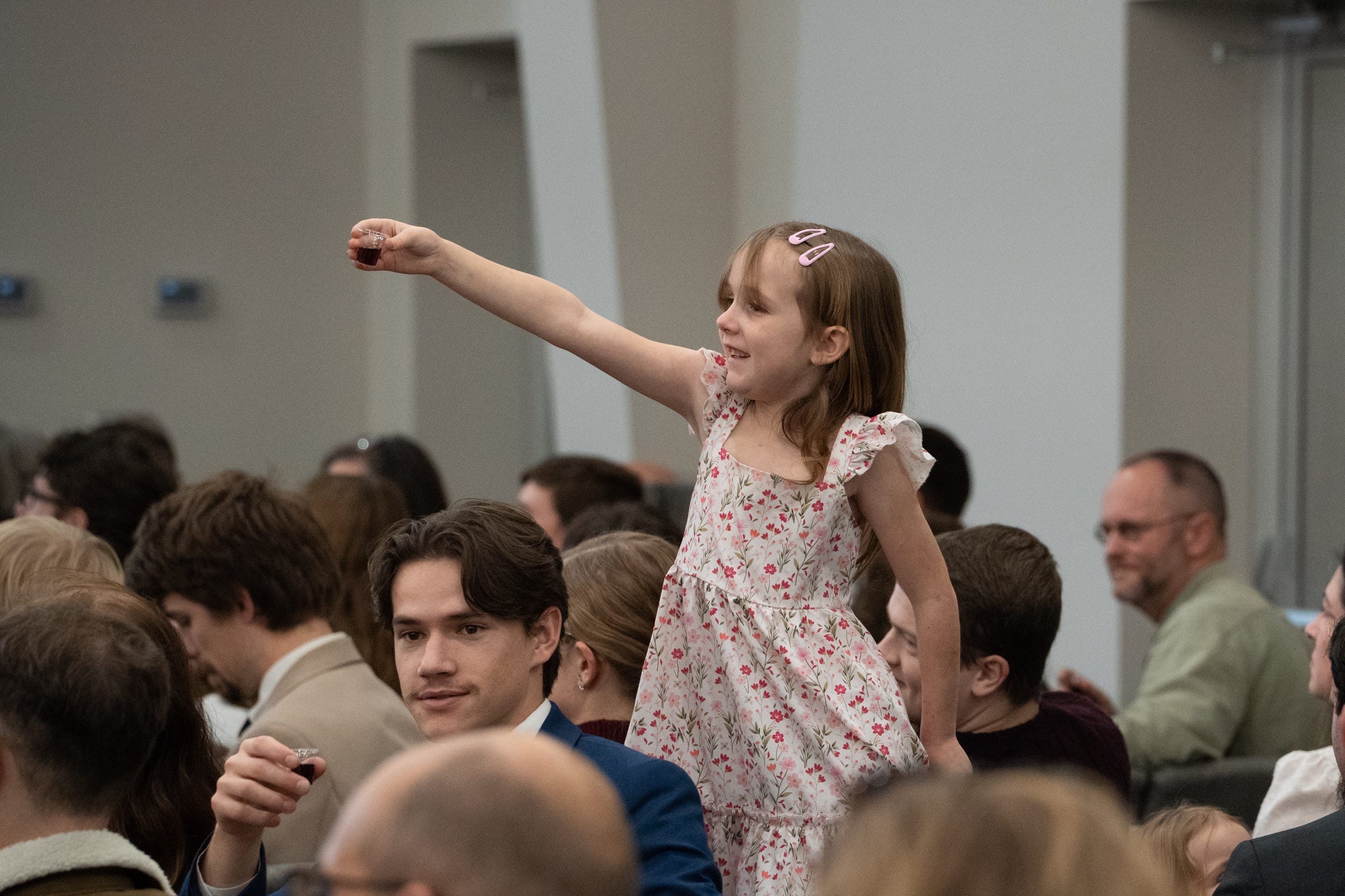
Fathers, our children learn something about repentance by the way we receive their confession. Do we keep reminding them of their failures, or do we forgive them and help them make things right? After correction, a child should know that he is loved and that the matter is settled. We confess our sins, receive forgiveness, hear instruction, and return to our work. These ordinary habits belong in the Christian home. We will need to practice them again tomorrow, and fathers will need them as much as their children.
Notations
The MRI results shocked me when I heard them on July 9th of this year. I was told there was a 98% likelihood of cancer—not the odds I wanted. After I shared the results with my Session, I drove home with a thousand thoughts. The next step in my journey was a prostate biopsy. The problem was that my schedule was full of speaking engagements, some booked a year earlier, and I truly wanted to honor them. My urologist was comfortable with the delay. So, I set the biopsy for 40 days later—August 18th.
Thanks be to God for the travels to California, Texas, North Carolina, and other places to keep my mind plenty occupied. Of course, I began to digest everything I could on prostate cancer. I looked into a host of reliable voices that weren't mainstream but didn't discount science and cancer research. I wanted someone who would take my questions seriously—someone who wouldn’t have a heart attack if I mentioned Ivermectin, but also who would look me straight in the eye and tell me if I needed more than diet or alternative treatment.
Those 40 days between the MRI and the biopsy were a wilderness of waiting. My hope that God would remove my cancer could only be confirmed when the result of the biopsy arrived. I believed that God would do something miraculous. And while I traveled across the country, I spoke with some friends who had been diagnosed with cancer (prostate or otherwise). I saw the waiting as an opportunity to learn more about the disease, and reckon with my own mortality. As a result, I took the advice of wise men and kept the possibility of cancer to an inner circle of friends, who prayed for me, anointed me, and checked up on me during that season. Everywhere I went, I was encouraged, and so when I returned from my last trip (Moscow, ID), I felt ready for the prostate biopsy. I needed to know what I was facing.
Finally, after 40 days, August 18th arrived. My faithful wife drove me to the surgery location. They quickly took me to a room, and my urologist came in and told me what he intended to do. He told me the surgery would be quick and that in 24 hours I’d be lifting weights again. Then, the anesthetist came in and added some comedy to my life with some great lines, which I am sure he’s delivered thousands of times.
Once in the procedure room, it took only a few seconds for the happiness to kick in, and I was out; the next thing I remember is waking up with my wife next to me. I don’t remember much, but I do remember that when the nurse asked what I wanted to drink, I asked her if they had any beer or bourbon. Thanks, Mr. Anesthetist!
Counseling as a Ministry of the Church
Pre-Council Conference
Monday, September 28th, 2026 9:00 AM – 4:00 PM
Sonesta Airport Hotel
Lunch and Counseling Resources Included
Pastors and elders often express that they feel under-equipped to respond to the complicated counseling needs presented by their congregations. Ministers are regularly confronted with a host of mental, emotional, relational, and habitual disorders among people in their churches, and believing that they are unqualified to respond effectively, they send saints to secular professionals who preach a false gospel to them.
What if the shepherds of the CREC were built up with a greater confidence in the sufficiency of God’s Word for all matters pertaining to life and godliness? What if pastors and elders were better equipped to instruct God’s people in how to live and think in a way that pleases Him? What if ministers could skillfully respond to suffering with the Scriptures and with a gospel hope in the Man of Sorrows?
Join us on the Monday before the 2026 CREC Council meeting in Nashville, at the Sonesta Airport Hotel to receive some instruction, encouragement, and resources from CREC pastors who are certified biblical counselors, and to hear from Dr. James Newheiser, director of the Christian Counseling program at Reformed Theological Seminary in Charlotte, NC.
This conference is organized through a partnership between Trinity Presbyterian Church, Valparaiso, Florida, Reformation Covenant Church, Oregon City, Oregon, and Christ Church, Raleigh, North Carolina.
Conference Schedule
1. What is Biblical Counseling? – Jim Newheiser
2. Counseling is a Pastor’s Duty – Duane Garner
3. The Sufficiency of Scripture in Counseling – Jim Newheiser
4. A History of Pastoral Care and the Future of the CREC – Uri Brito
5. Counseling Practicalities – Mike Ruff
6. Covenant Renewal Liturgy as Counselor – Bo Cogbill
7. Q&A Panel